

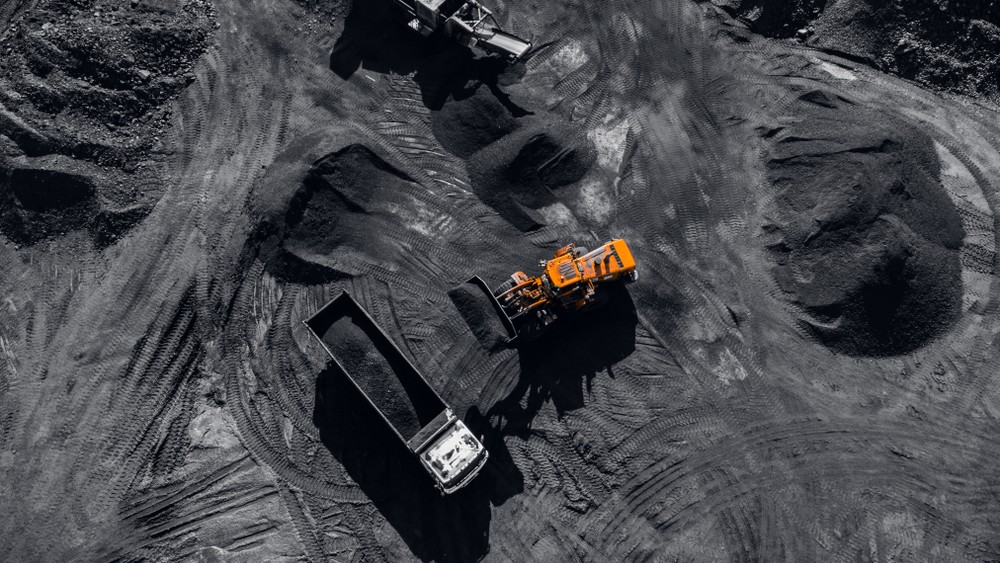
The Bank of England has implemented a policy restricting the use of thermal coal-related bonds as collateral in its lending arrangements with commercial banks. The restriction takes effect in October, following an announcement made in June. According to the central bank’s statement, thermal coal companies face potential financial risks associated with economic transition toward net zero emissions, prompting the institution to exclude such bonds from its balance sheet to protect against financial exposure.
The policy represents a continuation of the Bank of England’s broader efforts to support the transition toward renewable energy and reduce climate-related financial risks. In previous years, the institution has made adjustments to its bond schemes and financial mechanisms designed to encourage an orderly economy-wide shift away from carbon-intensive activities. The central bank noted that it would also adjust valuations of bonds in other relevant sectors to mitigate financial exposure.
While the Bank of England’s approach is stricter than that of comparable institutions such as the European Central Bank, the policy received limited public attention due to the institution’s decision to post the announcement on its website rather than issue a formal public statement. Observers have attributed this restrained approach partly to external pressure from certain governments to maintain support for fossil fuel development.
The decision follows recent research indicating that major financial institutions have been slow to commit to divesting from fossil fuels entirely. A study found that many banks have weakened their climate policies in recent years, using less definitive language around net zero commitments. However, over 200 significant financial institutions globally have already adopted formal divestment policies restricting thermal coal investments. The Bank of England’s move may encourage additional financial institutions to reconsider their exposure to the coal sector as long-term financial risks become increasingly apparent.
Article Attribution | Read More at Article Source
Article summary produced by Claude AI