

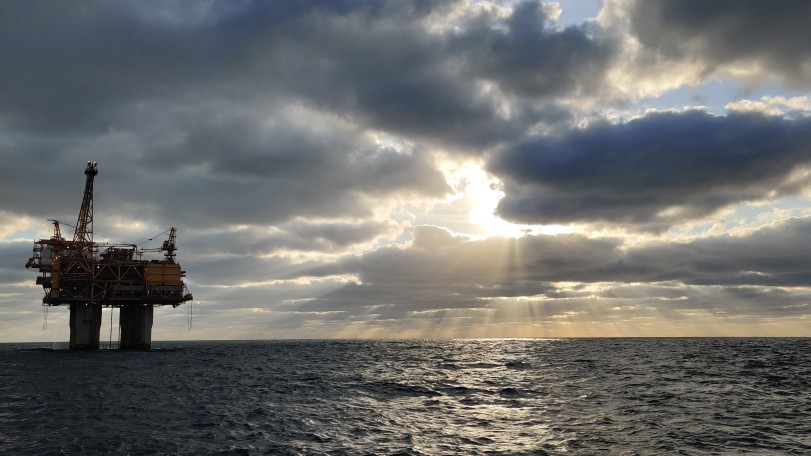
The United Kingdom is at a crossroads regarding its energy policy under newly installed Prime Minister Andy Burnham, with significant uncertainty surrounding the future of North Sea fossil fuel development. Before assuming office, analysts anticipated Burnham would greenlight drilling operations at the Jackdaw gas field and Rosebank oil field off Scotland’s coast, as well as expansion of nearby drilling infrastructure known as tie-backs. Both projects currently exist in legal limbo following a court decision that invalidated approvals granted by the previous Conservative administration. Burnham has indicated he will await the completion of public consultation processes before rendering a final determination.
The timing of this decision arrives amid intensifying climate pressures on the nation. The United Kingdom has recently experienced severe drought conditions, wildfires, and heat waves attributed to climate change and ongoing fossil fuel extraction. These environmental events have heightened public anxiety regarding extreme weather patterns, prompting warnings that Burnham could face internal party resistance if he endorses new drilling projects. In late July, Burnham signaled openness to fossil fuel development by describing his approach as pragmatic, comments that coincided with warnings from United Nations Secretary-General António Guterres about the dangers of new fossil fuel initiatives.
Burnham confronts political pressure from multiple directions. The Green Party, gaining electoral momentum under Zack Polanski’s leadership, firmly opposes new North Sea drilling licenses and advocates for accelerated renewable energy transition. Labour MPs, including Rachael Maskell of York Central, have called for keeping carbon reserves in the ground and transitioning toward sustainable energy systems. Conversely, energy companies and some analysts argue that natural gas functions as a bridge fuel during the transition away from fossil fuels, with some suggesting Jackdaw’s approval could represent a compromise position given its connection to existing infrastructure.
Experts and industry observers present competing assessments regarding the projects’ merit. Oil majors like BP contend that North Sea extraction remains essential given current energy dependency, with BP’s CEO arguing the nation should prioritize domestic sources. Environmental organizations and research institutions counter that new drilling will not substantially reduce consumer energy costs or generate significant employment, with Jackdaw projected to create only 27 direct full-time positions. The UK Energy Research Centre has challenged assertions that North Sea drilling would enhance long-term energy resilience or affordability.
Burnham has maintained public silence on the climate crisis since taking office but appointed Miatta Fahnbulleh, a prominent climate activist, as Secretary of State for Energy Security and Net Zero. Labour’s 2024 campaign platform explicitly prohibited new North Sea exploration licenses while preserving existing ones, a distinction complicated by the court’s determination that Jackdaw and Rosebank approvals are technically illegal. Any decision by Burnham carries substantial political consequences, potentially triggering internal Labour revolt while simultaneously failing to deliver promised energy security or economic benefits.
Article Attribution | Read More at Article Source
Article summary produced by Claude AI