

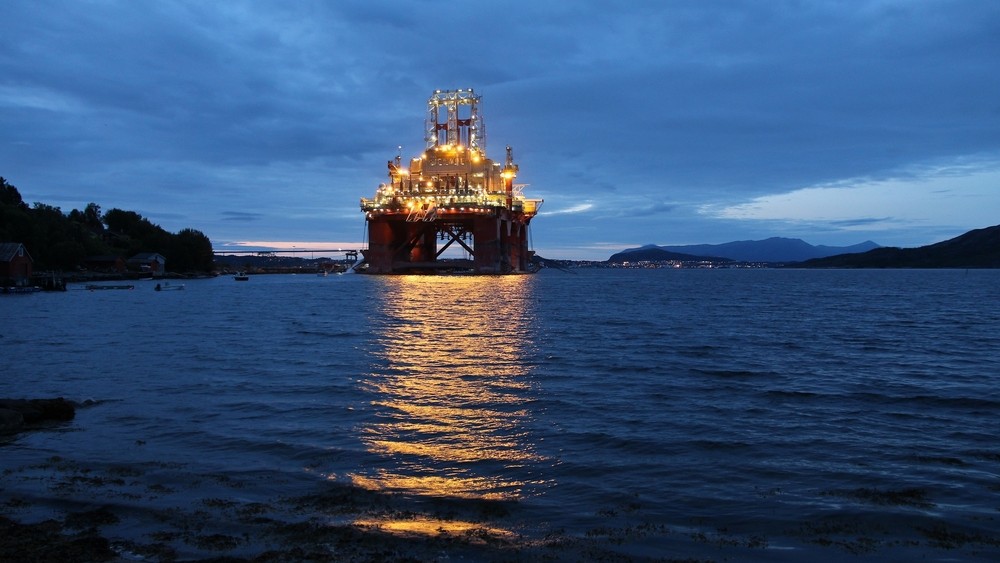
The debate over two North Sea energy projects—Jackdaw and Rosebank—centers on whether Britain should continue domestic oil and gas production or increase reliance on imports. Proponents argue that despite the transition to renewable energy, the UK will require oil and gas resources for years ahead, with these fuels currently meeting approximately 75 percent of the country’s energy needs.
Jackdaw alone could supply over six percent of UK gas requirements by this winter, equivalent to heating approximately 1.4 million homes. Rosebank represents another significant opportunity to bolster domestic production during the transition period. Combined, these projects have already attracted more than £3 billion in investment, with total anticipated spending reaching £10.8 billion. Economic projections indicate potential contributions of £28.7 billion to the UK economy and £1.4 billion in tax revenues before the end of the current parliamentary term.
The employment implications are substantial, with the projects supporting approximately 3,500 positions during peak construction phases, around 880 permanent roles during production, and 125 apprenticeships. More than 170 UK-based supply chain companies are already engaged in these initiatives. Advocates contend that the engineering and technical expertise required for these projects parallels the capabilities needed for developing future renewable energy systems.
Proponents further argue that domestic production offers environmental advantages over importation. Production emissions from Jackdaw and Rosebank could be approximately eight times lower than those associated with imported liquefied natural gas. They maintain that ceasing new domestic production while demand persists would likely result in increased imports rather than reduced consumption, effectively transferring emissions accountability elsewhere while weakening domestic industrial capacity and workforce capabilities.
Support for these projects is framed as compatible with net zero objectives rather than contradictory. Advocates suggest that a £50 billion pipeline of potential investments in North Sea operations over the coming decade could support skills development and supply chain maintenance essential for offshore wind, hydrogen production, and carbon capture technologies necessary for the wider low-carbon economy transition.
Article Attribution | Read More at Article Source
Article summary produced by Claude AI