

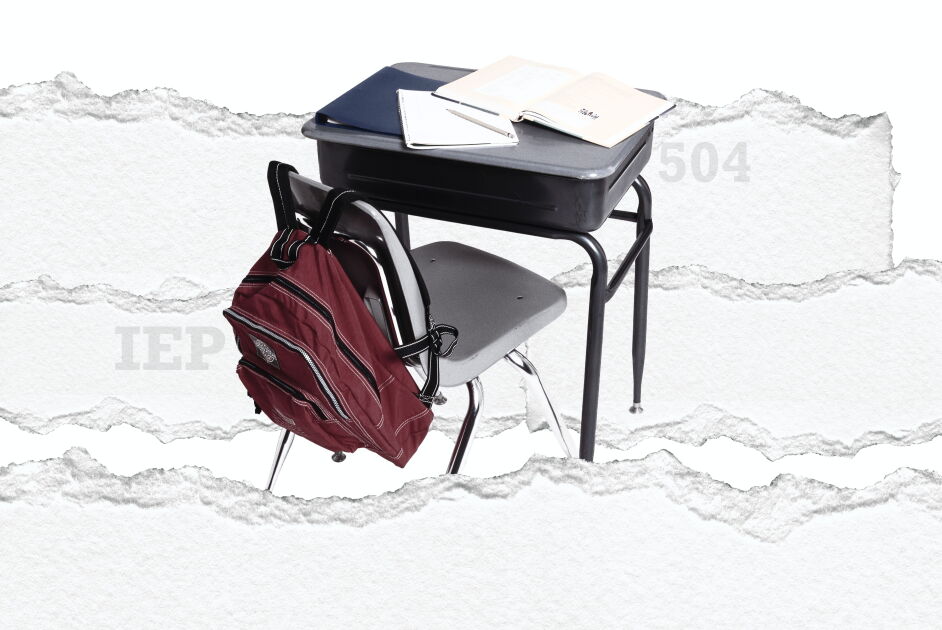
Students identified with disabilities in the U.S. education system follow one of two pathways to receive support services: an Individualized Education Program (IEP) or a Section 504 plan. While both mechanisms aim to ensure students with disabilities can access the same educational experiences as their peers, they operate under different legal frameworks and serve distinct populations.
IEPs are structured more rigorously and provide specialized instruction alongside accommodations, requiring specific team members including parents, general and special education teachers, a school psychologist, and a district administrator to develop the plan. IEPs apply to students falling within 13 federally designated disability categories under the Individuals with Disabilities Education Act (IDEA), including autism, emotional disturbance, speech or language impairments, and intellectual disability. In contrast, 504 plans focus on removing barriers to learning through accommodations within the general education classroom without modifying the curriculum. Eligibility extends to any physical or mental disability that substantially limits major life activities such as learning, breathing, or hearing. The team involved in developing 504 plans operates under more flexible guidelines and may consist of informal meetings between a parent and school staff member.
Funding mechanisms differ substantially between the two options. Federal grants support IDEA compliance for IEPs, though Congress currently appropriates only about 12% of the pledged 40% of special education costs, leaving districts to absorb remaining expenses. Schools receive no dedicated federal funding for 504 accommodations, meaning districts must cover all associated costs. Additionally, students with 504 plans are not counted in funding formulas based on IDEA-eligible populations.
Monitoring and accountability also diverge. IEPs must include specific, measurable annual goals and be reviewed at least yearly, with detailed documentation of current skills, services provided, and curriculum modifications. 504 plans typically lack annual goals or routine progress checks. Legal recourse differs as well, with IEP disputes subject to formal complaint processes through state education departments or the federal Office for Civil Rights (OCR), while 504 disputes may proceed through school district grievances or OCR complaints filed within 180 days.
In rare cases, schools may implement both documents for a single student when a condition affects multiple areas. Some families elect 504 plans despite IEP eligibility to avoid formal special education designation, which researchers associate with higher dropout rates and other negative outcomes, though these correlations do not indicate causation.
Article Attribution | Read More at Article Source
Article summary produced by Claude AI