

Federal prosecutors have brought conspiracy charges against more than three dozen people across at least 10 cases involving protests against immigration enforcement since the beginning of the year, according to a review of court records. The charges cite a statute originally dating to the Civil War that criminalizes conspiracy to impede or injure a federal officer. Before this year, the statute had been used infrequently in recent prosecutions, with most applications involving participants in the Capitol insurrection.
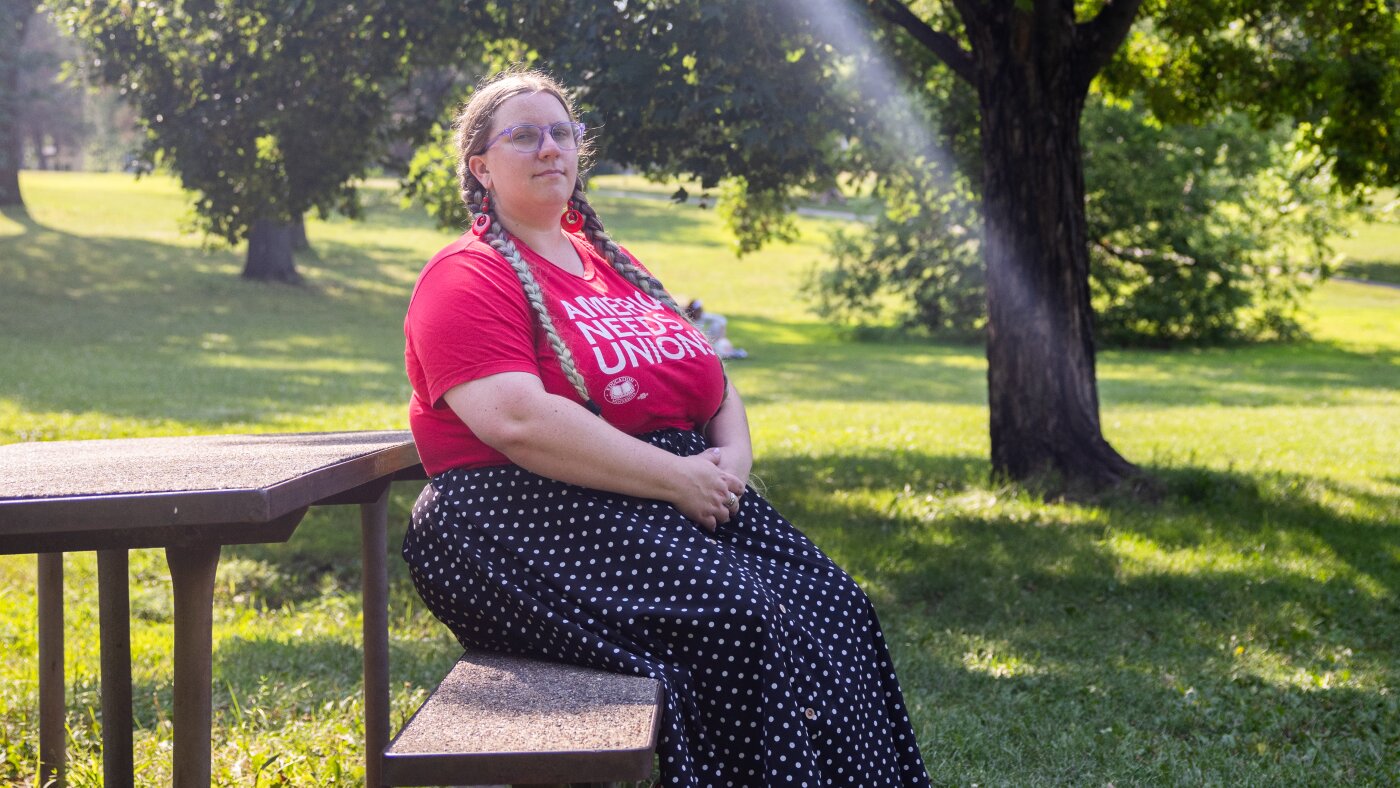
One case involved Treasure Thoreson, a Minneapolis special education teacher arrested in June on conspiracy charges related to blockades outside a federal immigration office during an enforcement surge in Minnesota. Federal authorities cited encrypted messaging communications as evidence. Similar indictments have been filed in Michigan, Texas, Minnesota and Washington, with nearly 50 people charged under various conspiracy statutes across multiple jurisdictions.
Legal experts have expressed concern that prosecutors may be overextending conspiracy law to target political activists rather than those who engaged in violent or destructive conduct. Aaron Terr of the Foundation for Individual Rights and Expression noted that while the government can legitimately prosecute property destruction or violence, charging individuals for simply attending protests or joining blockades may cast an inappropriately wide net. Traditional protest-related violations typically result in misdemeanor charges such as trespassing or disorderly conduct.
In Spokane, Washington, three protesters convicted of conspiracy in connection with an ice detention protest have questioned whether justice was served. The defendants were not accused of property damage but were convicted based on their participation in the blockade. One former U.S. Attorney who initially considered conspiracy charges in the case later resigned and criticized the prosecution as applying a Civil War-era law to punish community members. In Illinois, charges against two protesters were dismissed this spring due to alleged prosecutorial misconduct, though the experience affected the defendants significantly.
The Justice Department maintains that federal prosecutors are correct to prioritize these cases and that conspiracy charges are distinct from peaceful protest. The department stated that people should not confuse violence against law enforcement or obstruction with lawful demonstration. However, advocates warn that expanded use of the conspiracy statute may deter ordinary citizens from engaging in organized political resistance.
Article Attribution | Read More at Article Source
Article summary produced by Claude AI