

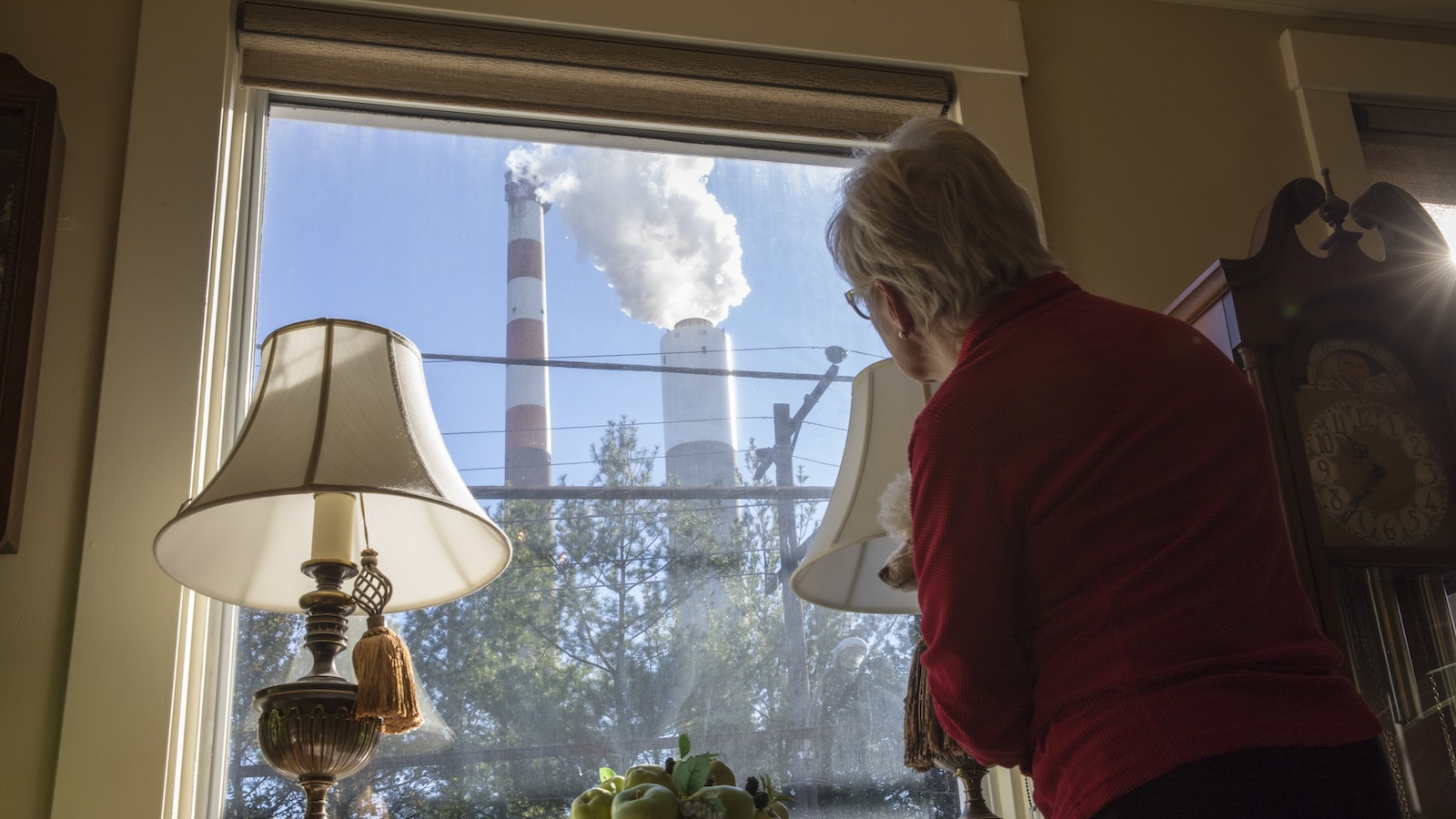
The Environmental Protection Agency has discontinued including cancer risk calculations in its national air pollution database after more than 20 years of providing this information to the public. While the agency continues to release raw emissions data, it has removed the assessments that translate those figures into estimated cancer risk for residents living near industrial pollution sources.
Researchers, community advocates, and nonprofits have used the EPA’s cancer risk maps to understand how air pollution affects neighborhoods and to inform policy decisions. The removal of this analysis shifts the technical burden of interpreting pollution data—a complex task requiring specialized expertise—onto communities attempting to protect their health. The most recent update, released this summer, represents emissions data from 2021 rather than the 2022 data that would have been current had the release occurred on schedule. The agency did not provide data on cancer risk alongside the raw emissions information.
The decision to withhold cancer risk estimates is part of a broader pattern of reduced environmental data availability. The Trump administration has modified or removed nearly 2,000 environmental and climate-related webpages and datasets. The EPA has discontinued several public tools, including one that allowed residents to search hazardous substance facilities by ZIP code and EJScreen, a widely used environmental justice screening tool that mapped pollution hotspots alongside demographic data.
Federal officials and advocacy groups have criticized the removal of cancer risk information as a disservice to public health. They argue that researchers, policymakers, and communities need this data to make informed decisions about industrial development and pollution exposure. The EPA stated it will continue releasing raw emissions data when available but did not address why cancer risk calculations were omitted from the latest update or whether the agency continues to produce these assessments internally.
Article Attribution | Read More at Article Source
Article summary produced by Claude AI