

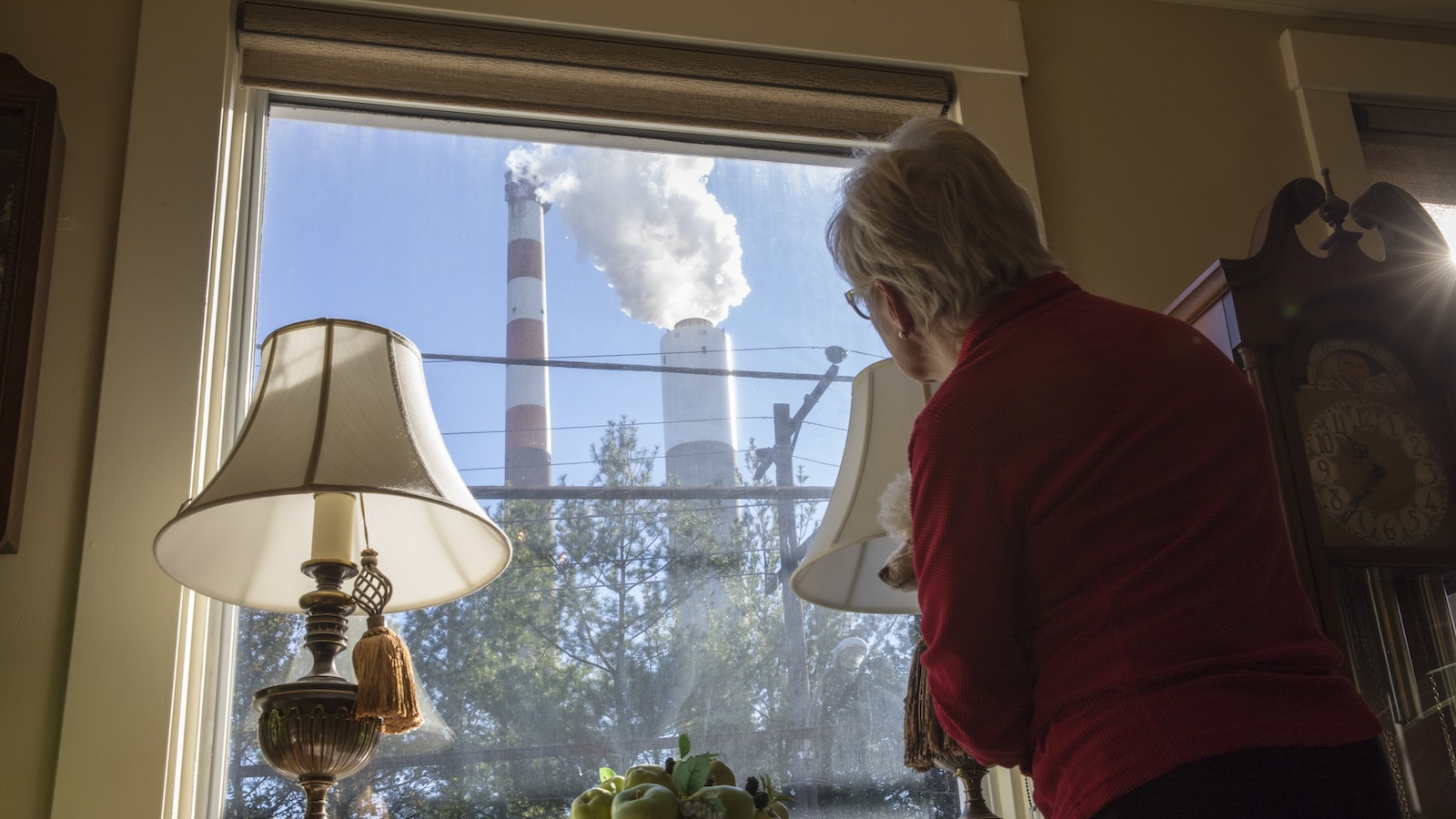
The Environmental Protection Agency has discontinued publishing cancer risk assessments as part of its air toxics data releases, a change that affects public access to information about pollution-related health threats. The agency continues to release raw emissions and concentration figures but no longer provides the calculated additional cancer risk that those pollutants create. This shift represents a significant departure from more than two decades of practice, during which the EPA regularly shared these risk assessments alongside pollution data.
Researchers and community advocates say the removal of cancer risk information places an interpretive burden on the public that most lack the technical expertise to handle. The data has historically been used by neighborhoods to understand local pollution effects, by journalists to investigate environmental hazards, and by nonprofits to hold polluters accountable. Darya Minovi, a researcher at the Union of Concerned Scientists, noted that communities living near concentrated pollution sources are most disadvantaged by the change, as they must now navigate complex EPA protocols without accessible guidance on health impacts.
The removal of cancer risk data occurs amid broader restrictions on environmental information access under the current administration. The EPA has modified or removed approximately 2,000 webpages and datasets on environmental and scientific topics. The agency has also discontinued several public tools, including a hazardous substance facility search function organized by ZIP code and EJScreen, an environmental justice screening tool that mapped industrial pollution alongside demographic data to identify vulnerable communities.
Since 2002, the EPA has published cancer risk data through its Air Toxics Screening Assessment program, which catalogs toxic pollutants down to the census block level. Beginning in 2022, the agency shifted to annual releases, though data typically lags several years behind actual emissions. The most recent update, released this summer, represents 2021 emissions data rather than the scheduled 2022 figures. An EPA spokesperson confirmed the agency will continue posting raw emissions data when available but did not address questions about the missing cancer risk calculations or whether the agency continues this analysis internally.
Article Attribution | Read More at Article Source
Article summary produced by Claude AI