

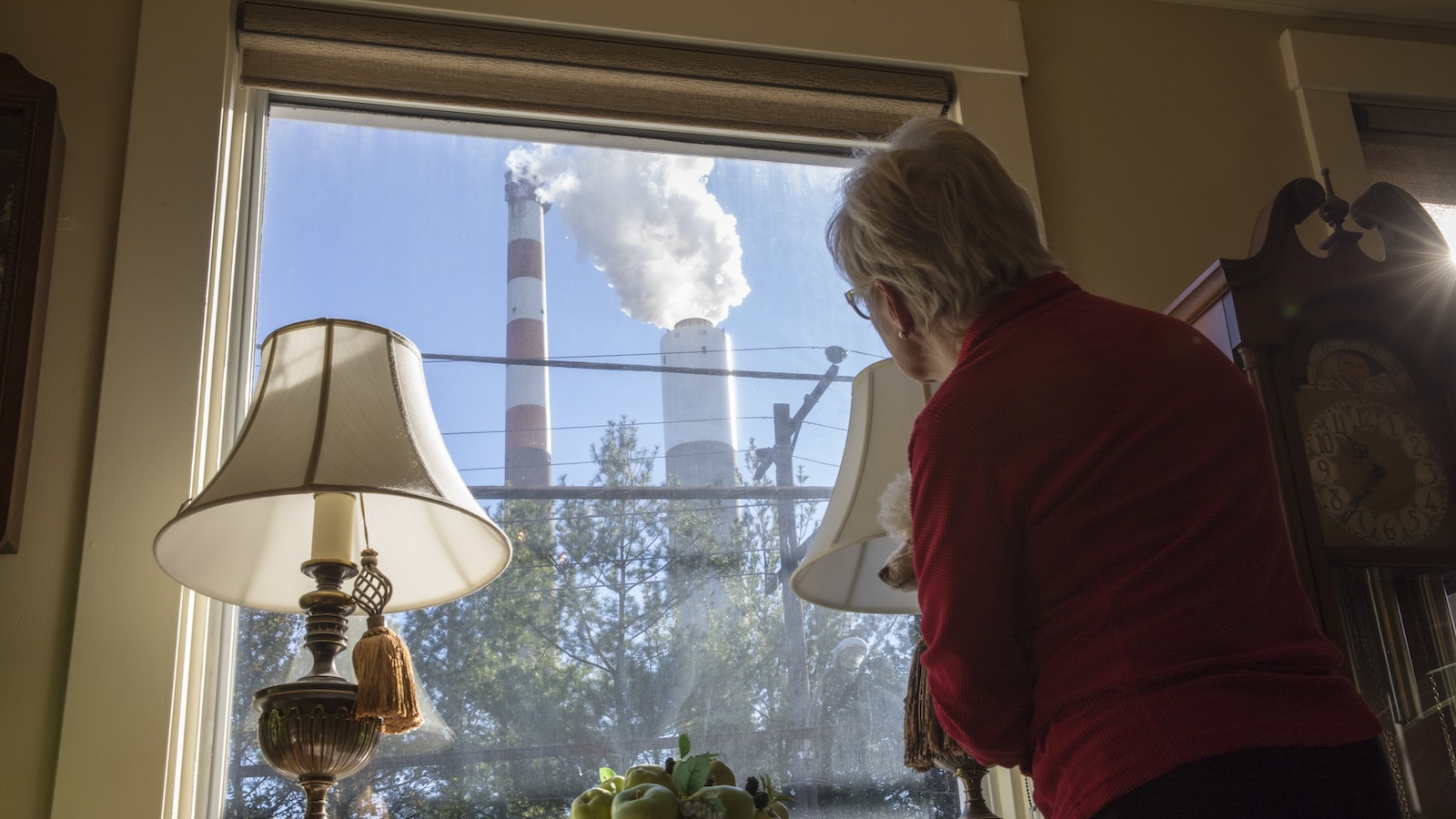
The Environmental Protection Agency has discontinued publishing cancer risk assessments alongside its air pollution data, marking a significant departure from practices maintained for more than twenty years. Previously, the agency released detailed estimates of how air pollution increases cancer risk in specific communities as part of the Air Toxics Screening Assessment program. This data allowed residents, nonprofits, and journalists to identify pollution hotspots and understand health threats in their neighborhoods.
The agency continues to release raw pollution concentration figures but no longer provides the calculated cancer risk implications. The most recent data update arrived with a one-year delay and only became publicly available after external advocacy from a federal data policy researcher. According to EPA officials, the agency will continue releasing raw emissions and concentration data when available, but they did not explain the decision to exclude cancer risk calculations or clarify whether these assessments are still being computed internally.
Environmental researchers and advocates argue the removal significantly burdens public understanding of pollution hazards. Interpreting raw EPA data requires specialized technical expertise and knowledge of agency protocols—capabilities most communities lack. The omission affects ongoing efforts to monitor exposure risks from carcinogens like ethylene oxide, benzene, and formaldehyde, which are concentrated in industrial areas including Louisiana’s Cancer Alley and neighborhoods near Houston and Chicago.
The action aligns with broader administration efforts to restrict access to environmental data. Since taking office, the administration has modified or removed approximately 2,000 webpages and datasets related to science, climate, and environmental topics. Previous cuts include discontinuing a ZIP code-searchable hazardous substances inventory and shutting down EJScreen, the EPA’s environmental justice screening tool that mapped pollution alongside demographic data to identify vulnerable populations.
Some organizations have begun preserving lost EPA tools through unofficial recreations, though these lack government authority and still depend on updated federal data. Environmental health advocates contend that public access to cancer risk information is essential for communities to participate in regulatory decisions and protect themselves from industrial pollution exposure.
Article Attribution | Read More at Article Source
Article summary produced by Claude AI