

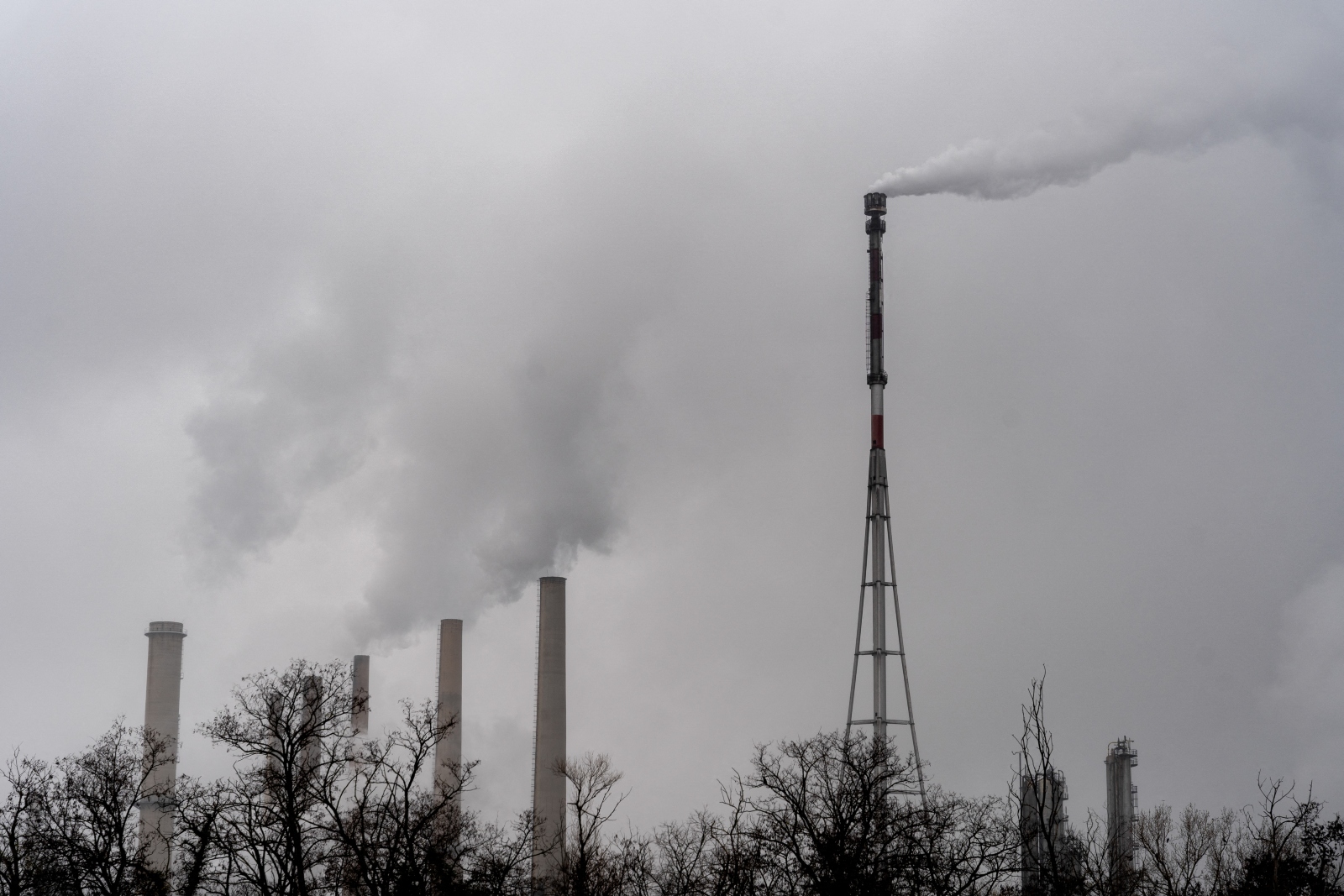
The European Union’s Emissions Trading System, widely regarded as the world’s most effective climate policy, faces potential weakening through proposals introduced by the European Commission earlier this month. The ETS, operational since 2005, has reduced industrial carbon emissions across the bloc by approximately 50 percent and serves as a model for similar programs in regions including California and South Korea.
The commission’s proposed modifications would significantly alter the system’s trajectory. Previously, covered companies were on course to reach net-zero emissions by 2039 through annual reductions of 4.4 percent. Under the new proposal, annual reductions would slow to 3.7 percent between 2031 and 2035, then decline further to 1.7 percent afterward. Commission officials argued the changes would provide relief to industry while maintaining alignment with EU climate targets requiring a 90 percent reduction in economy-wide emissions below 1990 levels by 2040.
Policy experts and environmental advocates expressed significant concern about the cumulative impact of slower emissions reductions. One estimate suggests the revised proposal would permit approximately 2 billion additional metric tons of carbon pollution compared to the previous plan. Given scientific projections that only 80 billion metric tons of additional carbon emissions remain available to maintain a two-thirds probability of limiting warming to 1.5 degrees Celsius, critics argued that the timing of emissions reductions matters substantially for climate outcomes.
The proposals also include continuation of free emissions allowances for certain industries, particularly those deemed at risk of relocating. Major polluters including steelmaker ArcelorMittal and chemical company BASF had lobbied for expanded free allowances, which historically have provided companies with surplus permits they could sell for profit. Policy observers warned that weakening the EU system could embolden similar efforts elsewhere, as industry groups globally pursue cheaper allowances and more lenient rules.
The European Commission’s proposals remain subject to negotiation with the Council of the EU and European Parliament, with final rules expected by early next year. Some European environment ministers have pledged strong opposition to a weakened system, though analysts offered varying assessments of the ultimate implications for European and global climate ambition.
Article Attribution | Read More at Article Source
Article summary produced by Claude AI