

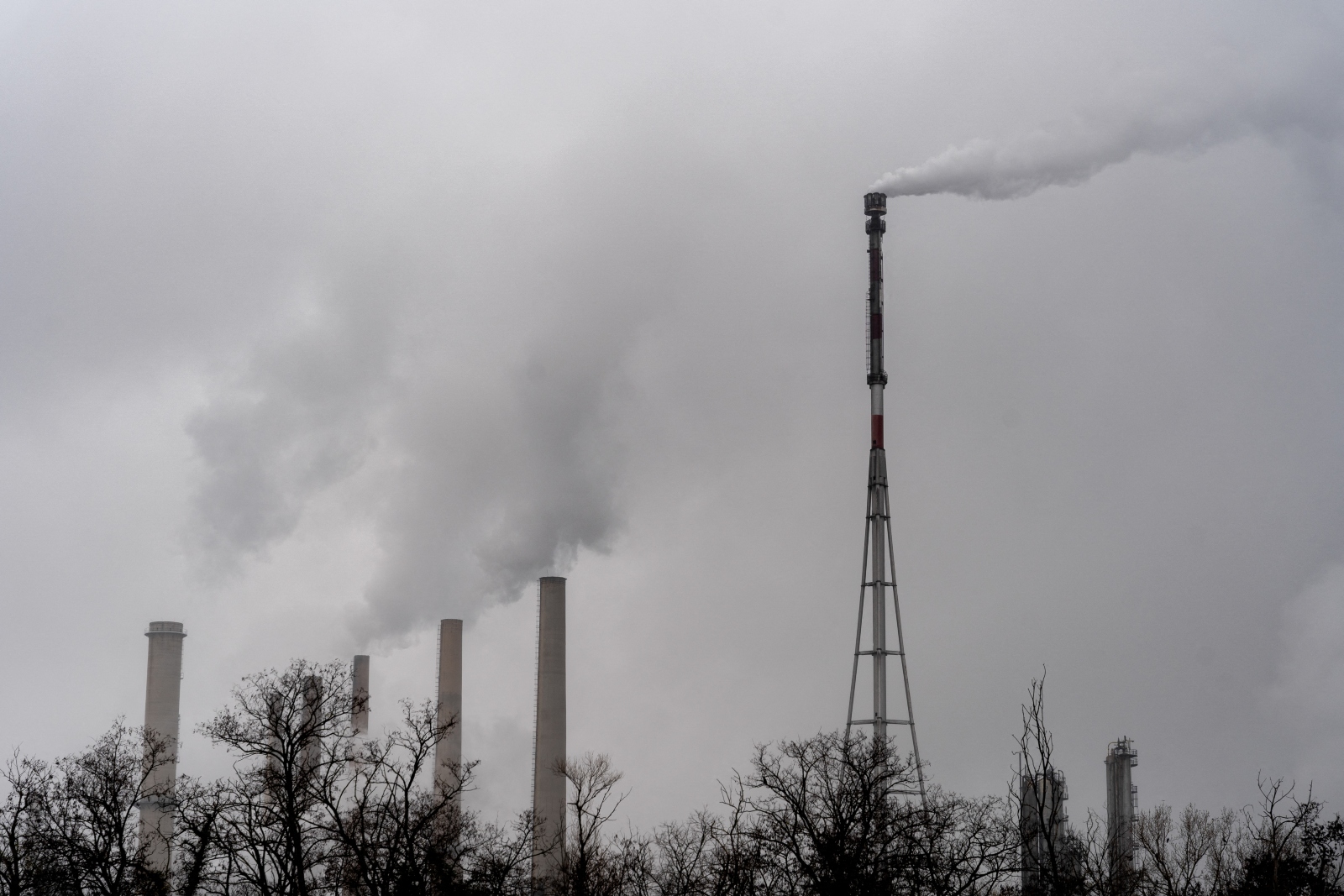
The European Union’s Emissions Trading System, which has been widely recognized as the world’s most impactful climate policy, faces potential weakening through proposals introduced by the European Commission earlier this month. The ETS sets a cap on carbon emissions for approximately 10,000 major industrial facilities representing 40 percent of the EU’s total climate pollution, requiring companies to purchase allowances that gradually decrease each year to force emissions reductions.
Under the previous framework, the system was projected to guide covered companies toward net-zero emissions by 2039. The commission’s new proposal would substantially alter this trajectory by reducing the annual emissions reduction rate from 4.4 percent to 3.7 percent annually between 2031 and 2035, then further declining to just 1.7 percent thereafter. The commission justified these changes as necessary relief for industry while maintaining alignment with EU climate law requiring economy-wide emissions reductions of 90 percent below 1990 levels by 2040.
Policy experts have raised significant concerns about the cumulative impact of these slower reduction targets. One analysis suggests the new proposal could permit covered companies to emit approximately 2 billion metric tons more carbon than the previous plan over the coming years. Climate advocates argue this extended timeline for gradual reductions will allow substantially greater overall pollution, particularly during the critical 2030-2040 period when emissions reductions are most consequential for climate outcomes.
The proposal also includes provisions to continue distributing free emissions allowances to certain companies, particularly those the commission believes might otherwise relocate. Critics contend this approach could simultaneously discourage faster decarbonization and generate substantial profits for large polluters that receive more free allowances than operationally necessary, allowing them to sell surplus permits for financial gain.
The proposed changes remain subject to negotiation between the European Commission, the Council of the EU, and the European Parliament, with final rules expected by early next year. Policy observers worry that weakening the EU’s system could provide justification for similar concessions in other regional carbon trading mechanisms, including those in California, Washington state, Quebec, and South Korea, potentially undermining climate ambition across multiple jurisdictions globally.
Article Attribution | Read More at Article Source
Article summary produced by Claude AI