

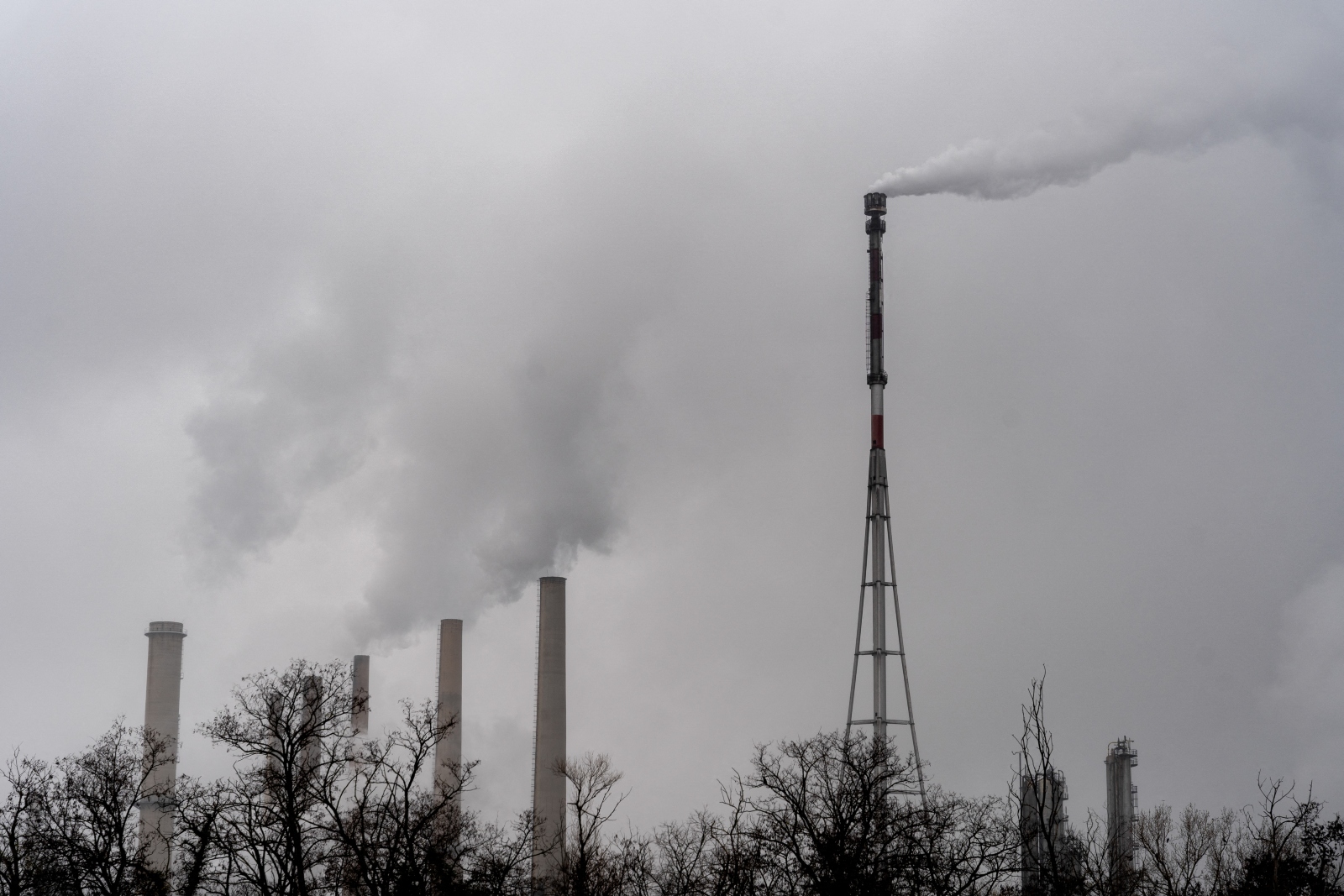
The European Union’s Emissions Trading System, widely regarded as the world’s most effective market-based climate policy, faces potential weakening through a set of proposals introduced by the European Commission earlier this month. The ETS, operational since 2005, has helped reduce industrial emissions across the bloc by approximately 50 percent and has served as a model for similar mechanisms in California, South Korea, and other regions.
The commission’s proposed modifications include slower emissions reduction rates and additional flexibility for major industrial polluters. Under the previous framework, the covered companies were on track to achieve net-zero emissions by 2039 through annual reductions of 4.4 percent. The new proposal would lower this to 3.7 percent annually between 2031 and 2035, then drop further to 1.7 percent thereafter. The commission stated the adjustment would provide relief to industry while maintaining alignment with broader EU climate targets requiring a 90 percent reduction in economy-wide emissions below 1990 levels by 2040.
Critics argue the delayed timeline would permit substantially greater carbon emissions overall. One analysis estimates the proposal would allow approximately 2 billion metric tons of additional carbon pollution compared to the previous plan. Environmental advocates contend that the timing of emissions reductions matters significantly for climate outcomes, and a slower pace between 2030 and 2040 could undermine long-term climate goals. The proposal also continues provisions providing free emissions allowances to certain companies, potentially enriching major polluters while reducing incentives for faster decarbonization.
Policy experts worry the EU’s retrenchment could embolden industrial lobbyists in other jurisdictions to seek similar concessions. The proposals remain subject to negotiation between the European Commission, the Council of the EU, and the European Parliament, with some environment ministers pledging resistance. Final rules are anticipated by early next year. Some analysts suggest the ETS would remain substantially more ambitious than comparable systems globally, though concerns persist about the broader signaling effect of weakening the bloc’s flagship climate mechanism.
Article Attribution | Read More at Article Source
Article summary produced by Claude AI