

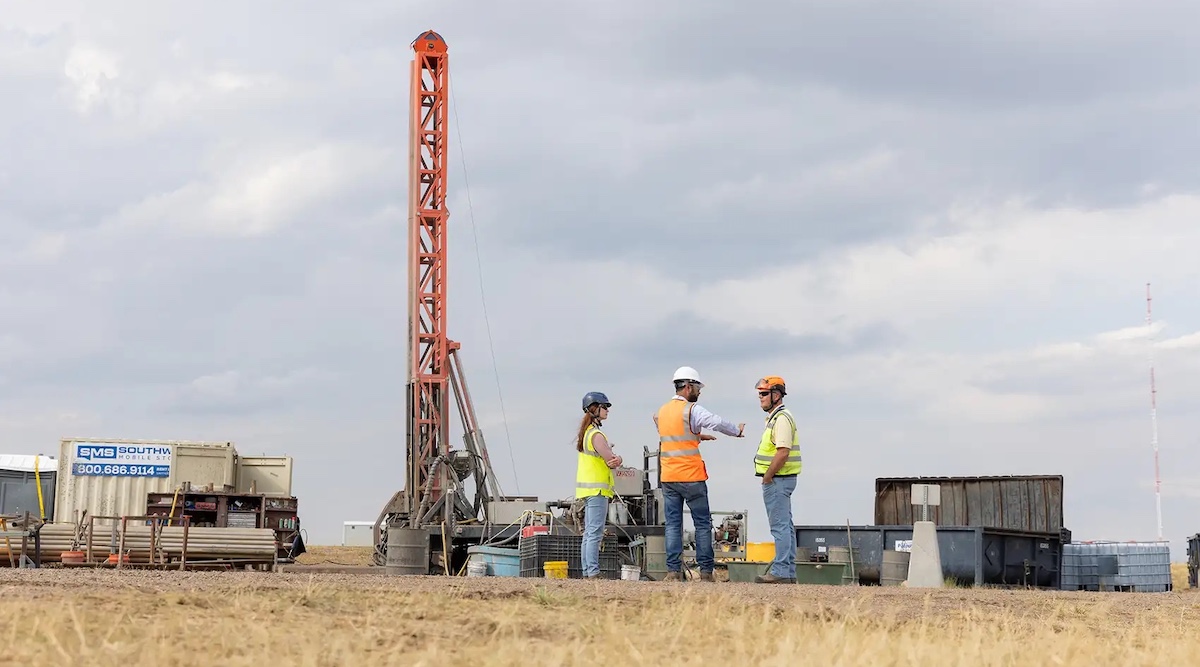
The geothermal energy industry faces significant technical and economic barriers when attempting to access deeper underground heat sources that could substantially increase power generation capacity. While geothermal resources currently account for only 1% of total U.S. energy generation, industry experts estimate that accessible resources located less than three miles below the Earth’s surface could generate approximately 42 terawatts of power over two decades—more than double current global energy demand. That potential could rise to 550 terawatts if companies could reach greater depths, according to the International Energy Agency.
The National Laboratory of the Rockies has developed three technologies designed to address the challenges preventing deeper geothermal development. The first is a high-temperature alternator that can function at temperatures approaching 500 degrees Fahrenheit. This device generates electricity onsite at the drill bit using the rotating steel drill string, eliminating the need for surface-based generators connected by vulnerable wires that lose efficiency over distance and degrade in extreme heat. By keeping power generation downhole, companies can reduce equipment failures and operational costs while maintaining progress toward profitable depths.
The second technology is a heat-resistant sensor system built with gallium nitride and silicon carbide semiconductors that can operate reliably in temperatures exceeding 350 degrees Fahrenheit—conditions that would incapacitate conventional silicon-based electronics. These sensors provide critical monitoring capabilities for drilling operations in extreme environments, allowing developers to detect directional changes, rock formations, and chemical hazards without repeatedly retrieving equipment from the depths for repairs or replacement.
The third tool is GEOPHIRES, a publicly available software modeling platform that helps geothermal developers estimate project viability before making substantial capital investments. The software calculates anticipated costs, operational expenses, and projected lifetime profits based on site-specific parameters including reservoir depth, construction timelines, electricity prices, and tax considerations. Case studies within the tool, such as projections for Utah’s Cape Station geothermal plant, demonstrate potential lifetime profits exceeding $180 million despite high initial investments.
All three technologies are available for licensing through the Department of Energy’s Lab Partnering Service website. Companies in geothermal energy, oil and gas drilling, nuclear operations, mining, and electric grid management could potentially benefit from these innovations to reduce operational costs and access previously inaccessible underground resources.
Article Attribution | Read More at Article Source
Article summary produced by Claude AI