

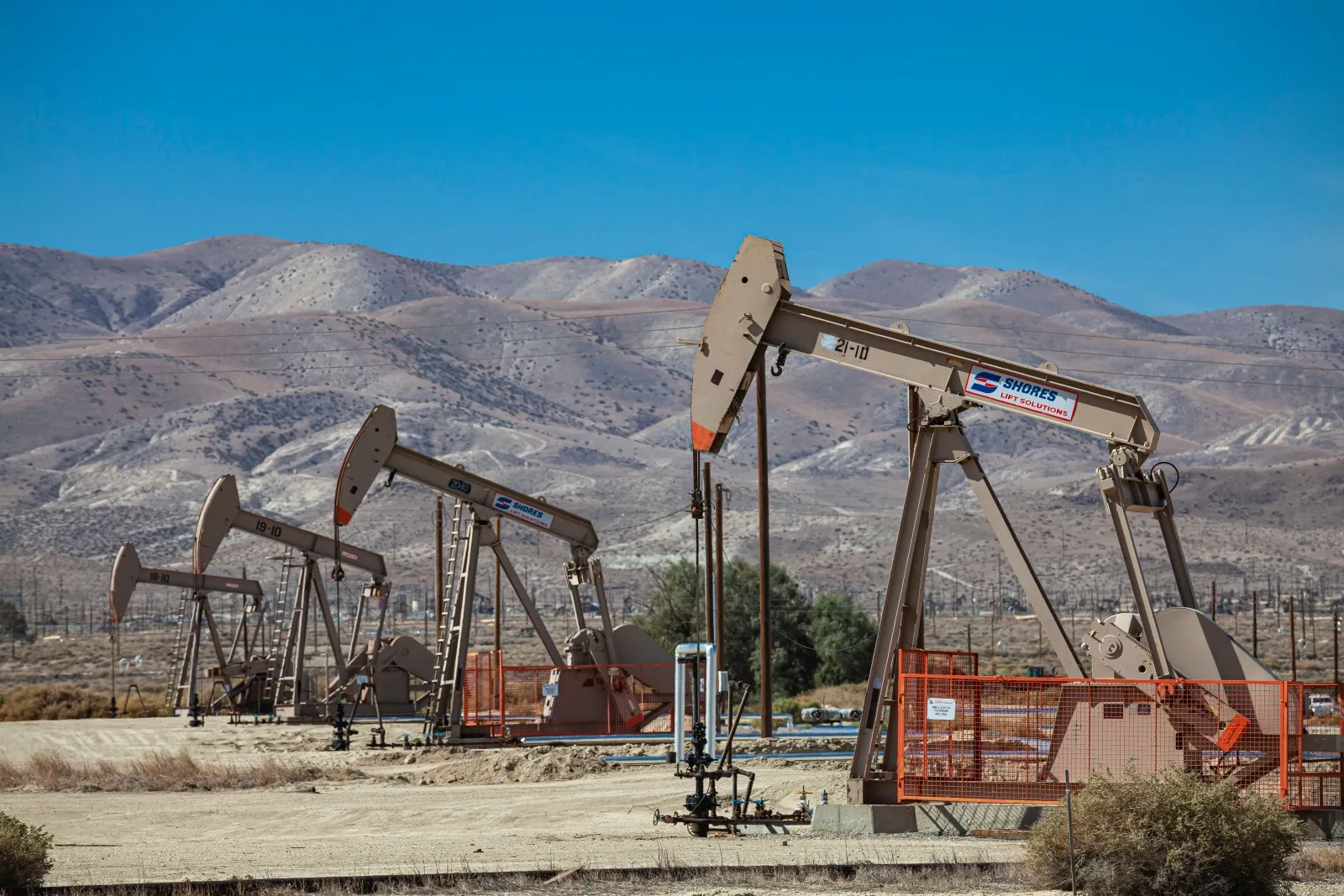
The fossil fuel industry has significantly increased its lobbying expenditures in California during the first half of 2026, according to data compiled by the Last Chance Alliance, a coalition of environmental organizations. Industry groups spent $10.3 million in the first quarter alone—a sector record—and an additional $6.8 million in the second quarter, bringing the half-year total to more than $17 million.
The primary focus of this lobbying effort has been opposition to legislation that would impose new financial and legal obligations on oil and gas companies. Key targets include a state bill designed to hold companies financially responsible for disaster recovery following climate-intensified natural disasters, as well as measures to strengthen workplace safety standards, increase transparency in cleanup cost reporting, and establish stricter requirements for decommissioning projects. The Western States Petroleum Association led industry spending at $4.3 million for the half-year, followed by Chevron at $3.7 million and Phillips 66 at just over $500,000.
California’s cap-and-invest program, which requires companies to purchase emissions permits in declining quantities, emerged as a major target of industry advocacy. The program applies to approximately 80 percent of California’s economy and is considered essential for achieving the state’s climate neutrality target by 2045. Industry representatives successfully lobbied state regulators to approve a mechanism that could provide fossil fuel companies access to a substantial pool of free pollution permits, a change currently facing legal challenges from environmental organizations and objections from Democratic lawmakers.
Additional defeated or blocked legislation included bills addressing the Displaced Oil and Gas Workers Fund, establishing safe staffing guidelines for refineries, preventing companies from abandoning methane-leaking wells, strengthening offshore pipeline safety requirements, and mandating formal retirement plans before refinery closures. Several bills that would have created accountability mechanisms for disaster costs and methane emissions failed to advance.
The lobbying activity has drawn criticism from environmental advocates, particularly given recent record profitability in the sector. Chevron reported $12 billion in net profits during the second quarter, nearly five times its earnings from the same period in the prior year, while Exxon Mobil earned $14.5 billion, more than double its second-quarter results from a year earlier. Industry representatives have attributed elevated profits to supply disruptions related to geopolitical tensions affecting global oil markets.
Article Attribution | Read More at Article Source
Article summary produced by Claude AI