

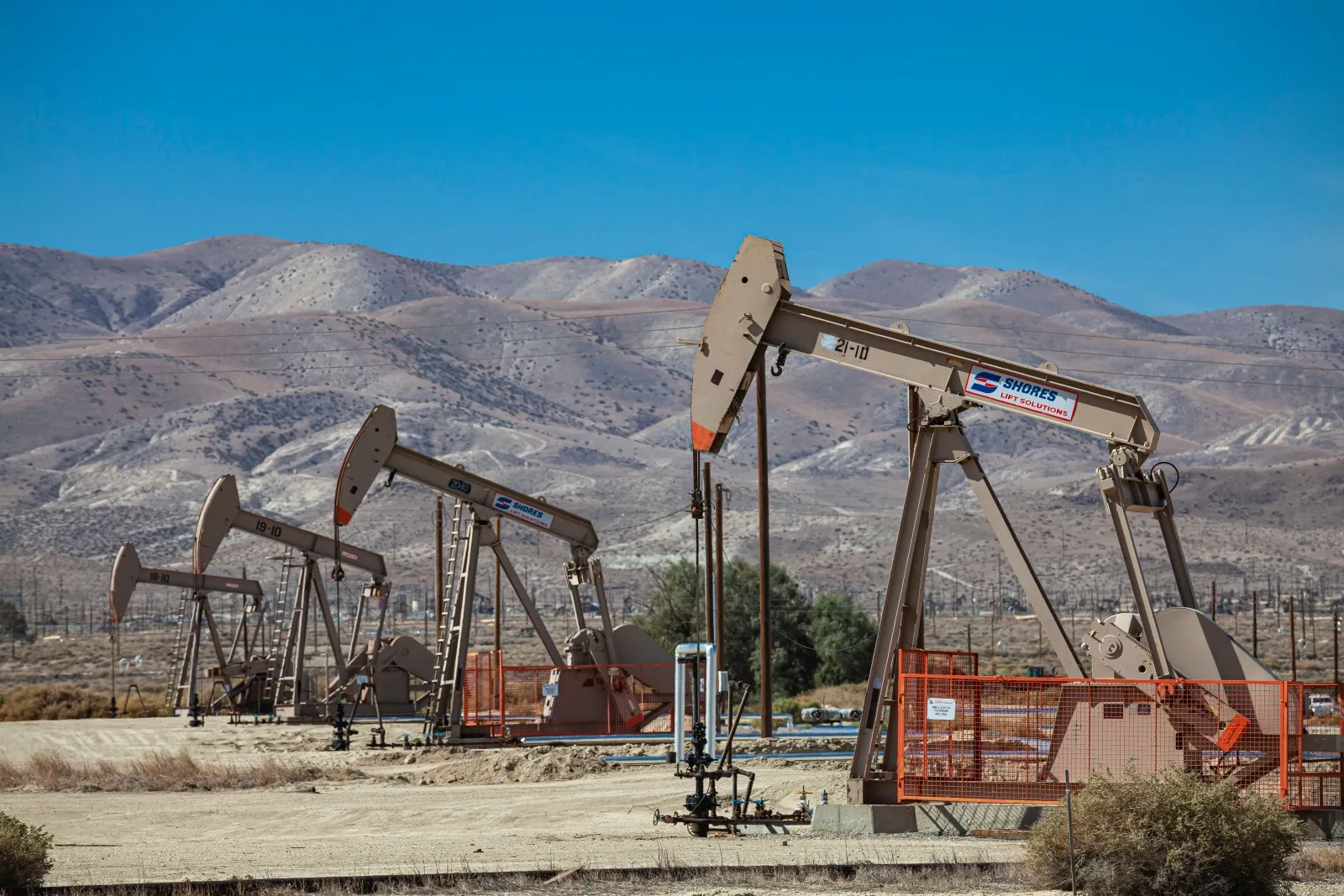
The fossil fuel industry significantly increased its lobbying expenditures in California during the opening months of 2026, according to data compiled by the Last Chance Alliance, an environmental coalition. Industry spending totaled more than $17 million over the first six months of the year, with the first quarter alone setting a sector record at $10.3 million, followed by an additional $6.8 million in the second quarter. These funds were largely directed toward opposing legislative measures that would impose new financial obligations and regulatory requirements on oil and gas operations.
The targeted legislation addressed a range of issues affecting the fossil fuel sector and surrounding communities. Proposed bills included measures requiring companies to fund climate disaster recovery efforts, clarifications to workplace safety standards, and enhanced transparency regarding cleanup expenses for decommissioned projects. Major industry spenders included the Western States Petroleum Association at $4.3 million, Chevron at $3.7 million, and Phillips 66 at over half a million dollars. Industry representatives also supported organizations presenting themselves as grassroots entities while receiving fossil fuel funding.
A significant focus of industry opposition centered on California’s cap-and-invest program, which mandates company payments for emissions permits on a finite and declining basis. The program encompasses approximately 80 percent of the state economy and is regarded as essential to meeting California’s climate objectives, including carbon neutrality by 2045. Industry lobbying successfully influenced regulators to authorize a mechanism potentially providing extensive free pollution permits to fossil fuel companies, a development currently facing legal challenges and legislative objections.
Additional bills facing industry opposition included legislation to expand the Displaced Oil and Gas Workers Fund, which since 2022 has supported workforce transitions and reportedly assisted 600 individuals in finding alternative employment. Other proposals addressed refinery staffing guidelines, abandoned methane-leaking wells, offshore pipeline safety requirements, and mandatory retirement plans prior to refinery closures. Several targeted bills were defeated during the legislative session, including measures addressing gas supply stability and home insurance crisis mitigation following climate-related disasters.
The escalated lobbying activity occurred amid record industry profitability, with major companies reporting substantial earnings increases attributed to oil supply disruptions linked to regional geopolitical tensions. Chevron reported $12 billion in net profits during the second quarter, compared to approximately $2.4 billion during the same period in 2025, while Exxon Mobil earned $14.5 billion, more than double its prior-year second quarter results.
Article Attribution | Read More at Article Source
Article summary produced by Claude AI