

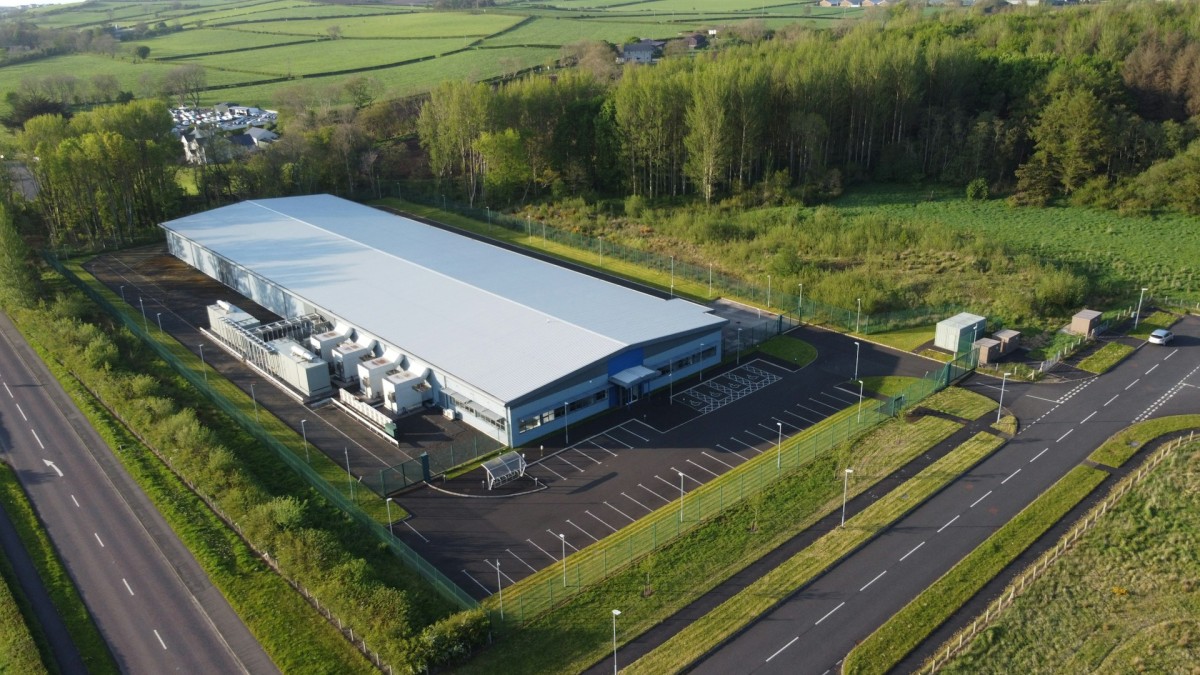
The rapid expansion of artificial intelligence data centers is colliding with severe constraints in the power generation equipment supply chain, creating what analysts describe as a critical bottleneck for the industry.
According to Goldman Sachs analysis, U.S. data center power demand is projected to surge from 31 gigawatts in 2025 to 66 GW in 2027, with capacity additions accelerating from 8.5 GW realized last year to 36.3 GW scheduled for 2027. This trajectory would increase data centers’ share of total U.S. peak summer demand to 8.5% from the current 4.1%. However, the three major gas turbine manufacturers—GE Vernova, Siemens Energy, and Mitsubishi Heavy Industries—have production capabilities that cannot match this demand surge. GE Vernova currently operates at roughly 20 GW annualized capacity with plans to reach only 30 GW by 2030. Orders placed today are scheduled for delivery in 2030 or 2031, meaning turbines powering 2027 data centers were ordered in 2023 and 2024.
The manufacturers’ order backlogs reveal the unprecedented demand. GE Vernova closed the second quarter with 116 GW in backlog and reservations, Siemens Energy reported 69 GW in firm backlog, and Mitsubishi Heavy Industries recorded 35 GW in large-frame turbines. Global second-quarter orders hit a record 38 GW, up 71% year-over-year. Industry-wide manufacturing capacity stands at 60 to 70 GW annually against roughly 110 GW in orders. The constraint extends beyond turbine assembly to specialized foundries producing high-temperature components and the scarcity of qualified installation contractors, pushing average lead times for new combined-cycle plants from three and a half years in 2023 to approximately five years currently.
The supply gap is already manifesting in regional power markets. PJM’s capacity auction on July 14 cleared at the maximum allowed price of $325 per megawatt-day for the third consecutive year while still falling nearly 7 GW short of reliability requirements. Despite the maximum price, only about 525 MW of new generation materialized. Equipment prices have escalated correspondingly, with average combined-cycle projects rising to $2,157 per kilowatt from under $1,500 in 2023. PJM has proposed a Reliability Backstop Procurement targeting roughly 14.9 GW of new capacity through bilateral contracts and an auction, though the feasibility of filling this gap through gas turbine expansion within the required timeframe remains uncertain.
Article Attribution | Read More at Article Source
Article summary produced by Claude AI