

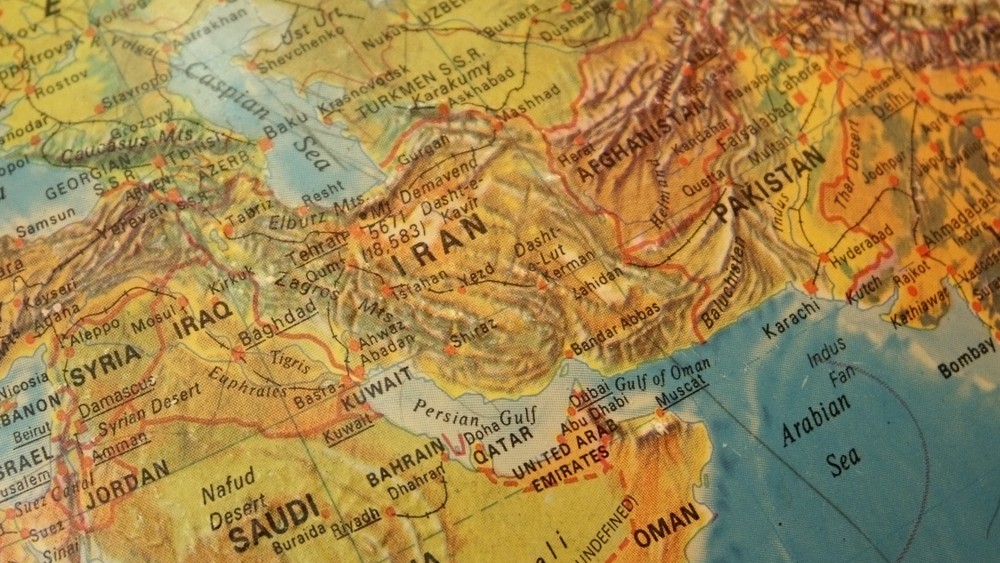
The Strait of Hormuz has functioned for decades as the world’s most critical energy chokepoint, with its significance lying not merely in hydrocarbon volumes but in the concentration of economic and financial systems that operate under the assumption of uninterrupted passage. Recent developments have exposed the vulnerability of this assumption, as market participants responded to erosion of certainty rather than physical closure of the waterway. Vessel traffic declined sharply during the disruption, with many tankers operating with disabled identification systems, and ballast traffic lagged behind commodity flows, indicating that commercial confidence recovered more slowly than physical operations resumed.
The underlying geopolitical dynamics reveal an asymmetric advantage for regional actors who need not achieve military dominance or permanent closure to impose significant costs on the global energy system. By introducing persistent uncertainty into the corridor, such actors can increase insurance premiums, prompt precautionary inventory building, defer investment and raise freight costs without causing physical destruction. This strategy is reinforced by demonstrated endurance in absorbing sustained economic pressure over extended periods. The geographic vulnerability is particularly acute because alternative export routes and bypass mechanisms, while improving resilience, require years of investment and coordination to construct yet comparatively little effort to disrupt.
As markets respond to this altered risk environment, capital allocation patterns are beginning to shift, though not through wholesale reorganization. The repricing of resilience relative to geology and cost represents the primary mechanism of change. Producers combining competitive resource bases with geopolitically resilient market access—including those in the Atlantic Margin region such as Brazil, Guyana, Canada and the United States—may find their strategic positions incrementally strengthened. However, Gulf producers retain structural advantages through lower production costs and vast resource bases, and their displacement remains unlikely over the medium term.
The adjustment will occur gradually across millions of independent investment decisions rather than through coordinated policy or military action. Capital may increasingly favor enhanced oil recovery in mature provinces, deepwater exploration in resilient jurisdictions, and technological development enabling shale replication beyond traditional producing regions. The global energy system has repeatedly adapted to geopolitical shocks and technological change throughout its history, and this situation represents another manifestation of that enduring capacity for reorganization.
Ultimately, political geography is evolving from a measure of above-ground risk into a component of production economics itself. As resilience commands a lasting premium alongside geology and cost factors, the competitive landscape will shift not through displacement of established producers but through gradual recalibration of relative advantage across the broader global energy system.
Article Attribution | Read More at Article Source
Article summary produced by Claude AI