

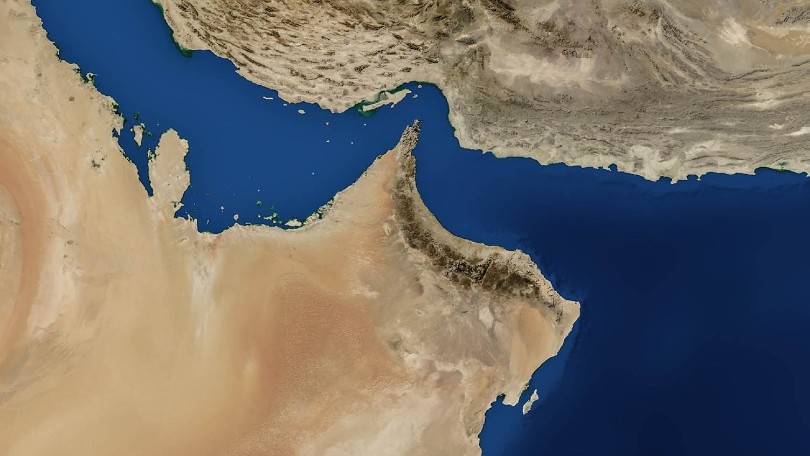
Data released earlier this week indicate that maritime traffic through the Strait of Hormuz has continued to experience significant disruptions, even as diplomatic negotiations between Iran and Oman showed signs of advancement. Brent crude futures hovered near $85 per barrel, reflecting market expectations that a potential agreement to restore passage through the critical waterway could be reached soon. However, analysts caution that underlying pressures in global supply chains remain elevated, with normalization potentially requiring an extended period even if shipping operations resume in the near term.
UBS senior international economist Pierre Lafourcade assessed the situation using the bank’s Global Supply Chain Stress Index, which comprises 23 components. While conditions improved modestly in July compared to the prior month’s peaks—the highest level recorded since the pandemic—stress levels remain substantially elevated relative to pre-conflict baselines. The median reading of the index stood 0.9 standard deviations above the level before the Iran conflict began, though it declined 0.4 standard deviations from June’s peak. On average, the indicator showed improvement of 0.3 standard deviations from June but remained 1.35 standard deviations above February levels.
The composition of supply chain pressures has shifted across different categories, with diverging effects emerging in various economic indicators. Seaborne oil and gas flows, the metric most directly capturing the shock from the Hormuz bottleneck, showed partial recovery in Asia, retracing roughly half of its decline since the strait closure. Other cargo shipping volumes remained relatively stable globally, though delivery times improved in parts of Asia while worsening in the United States. Air-freight costs experienced the most notable relief in July, whereas shipping costs across major indices rose again in all primary reporting regions.
Experts warn that prolonged disruption of traffic through the Hormuz chokepoint carries substantial risks for the global economy. Extended closures threaten to intensify multiple challenges including elevated energy and freight costs, inventory depletion, extended delivery times, and renewed inflationary pressures across interconnected supply networks.
Article Attribution | Read More at Article Source
Article summary produced by Claude AI