

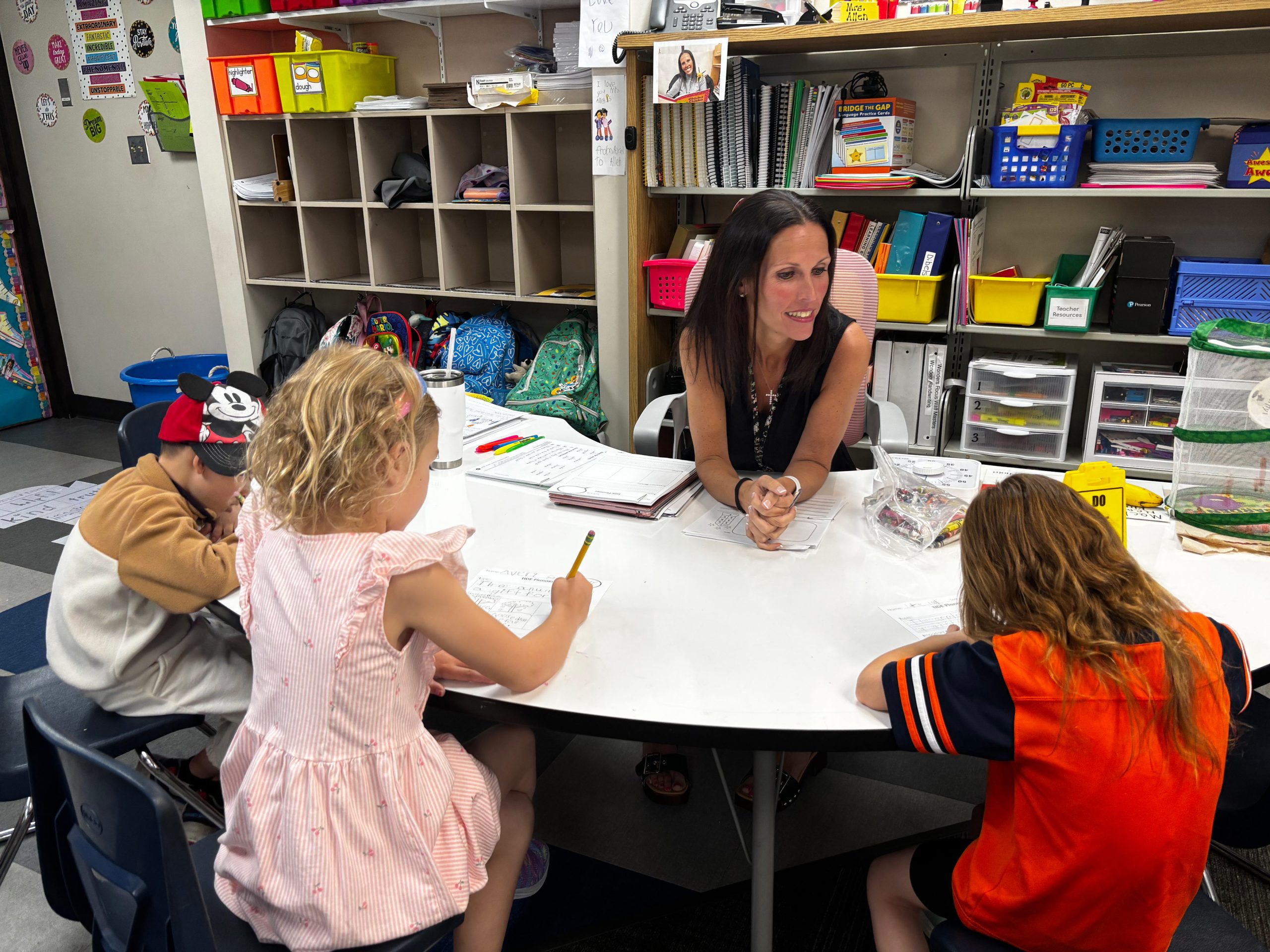
Educators nationwide are increasingly concerned about declining student writing proficiency, prompting school districts to overhaul their instructional approaches. Recent state testing data reveals significant gaps in writing competency among elementary students. In 2025, more than half of Texas third graders received no credit on essay prompts, while only 17 percent of California third graders met standards for well-organized writing. National data on elementary writing proficiency remains limited, with the most recent comprehensive assessment occurring in 2002, when 27 percent of fourth graders scored proficient or higher.
Experts attribute writing instruction challenges to multiple factors. Teachers often lack adequate preparation in science-based writing methods, as many teacher education programs do not include dedicated writing instruction courses. Additionally, increased device usage among young students has affected basic skills, with some kindergarteners struggling to hold pencils or use traditional writing implements. Schools have historically prioritized reading and mathematics instruction over writing, leaving teachers to develop their own approaches using varied resources.
Several districts have begun implementing Self-Regulated Strategy Development, an evidence-based approach that emphasizes explicit instruction in writing components and structured techniques for organizing and responding to texts. Douglas County, Colorado adopted this method across its elementary schools, training instructional coaches and teachers to use consistent strategies identified by memorable acronyms. The approach focuses on writing responses to texts rather than creative prompts and teaches students resilience techniques such as writing positive affirmations before beginning assignments.
Early results from districts employing these methods show promise. Douglas County reported a 3 percentage point increase in state writing scores after one year of implementation, with mathematics scores also improving. Teachers and students have noted significant changes in classroom dynamics, with students expressing greater confidence when approaching writing assignments and better understanding of the writing process. Administrators credit the structured instruction for equipping students with foundational skills necessary for academic success across multiple subjects.
Article Attribution | Read More at Article Source
Article summary produced by Claude AI