

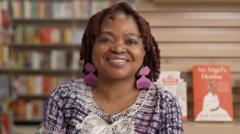
Sue Nyathi’s debut novel “The Polygamist” was self-published in 2012 after major publishers declined it, but the work became commercially successful. The story has since been adapted into a Netflix series that ranks in the platform’s top 10 most-streamed shows across more than 60 countries and reached number two in the United States. The adaptation has attracted notable attention, with actress Taraji P Henson publicly describing the series as having her in a “chokehold.”
The novel is set in Zimbabwe and follows a married man named Jonasi who maintains secret relationships with multiple women without their knowledge or consent. The story centers on Joyce, his primary wife, as she discovers her husband’s hidden households. Nyathi emphasizes that her work addresses a specific form of deception rather than traditional polygamy itself. While polygamy is legally recognized in Zimbabwe and South Africa under certain customary arrangements, Nyathi’s narrative focuses on what she describes as a “modernised, or perverted version” that relies on secrecy instead of agreement among all parties involved. The novel explores power dynamics, economic dependence, and how lack of agency affects the women involved.
The Netflix adaptation relocates the story to South Africa, uses the Zulu language with subtitles, and reduces the number of Jonasi’s wives compared to the source material. Unlike the television version, the novel is told entirely from the perspectives of the women in Jonasi’s life. Nyathi notes that many female readers have contacted her to describe seeing themselves in the characters, with some stating they are in similar relationships. Following the series release, Amnesty South Africa distributed resources addressing narcissistic abuse.
The adaptation has not been universally embraced. A Kenyan civil servant called for the series to be banned, arguing it conflates polygamy with infidelity and abuse. Nyathi maintains that cultural practices evolve and can become corrupted over time, and she views her work as documenting this transformation. She also notes that centering affluent Black African characters in the narrative has prompted some viewers to reconsider stereotypical perceptions of African life.
Nyathi worked in finance for nearly two decades before becoming a full-time writer at age 40. She wrote “The Polygamist” during evenings while employed as an investment analyst. She is now 48 and has expressed concern about the broader challenges writers face in sustaining careers through their work, particularly in Africa, where she notes many successful authors rely on external financial support from spouses, grants, or residencies.
Article Attribution | Read More at Article Source
Article summary produced by Claude AI