

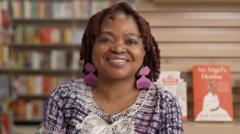
Sue Nyathi, a Zimbabwean author, published her debut novel “The Polygamist” independently in 2012 after traditional publishers dismissed it as unmarketable. The book has since achieved significant success and was adapted into a Netflix series that currently ranks in the top 10 most-streamed shows in more than 60 countries, reaching number two in the United States. The series stars Taraji P. Henson and consists of 22 episodes.
Nyathi draws a distinction between consensual polygamy, which has historical roots in her own family and is legally recognized in Zimbabwe and South Africa under specific customs, and what she describes as the “modernised, or perverted version” of the practice. Her novel centers on deceptive infidelity rather than transparent polygamous arrangements. The story follows Joyce, whose husband Jonasi secretly establishes multiple households with other women, creating a sham monogamous marriage based on concealment rather than agreement. Nyathi emphasizes that her critique focuses on lack of agency and consent, particularly how power imbalances in patriarchal societies leave women vulnerable.
The Netflix adaptation relocates the narrative to South Africa, uses the Zulu language with subtitles, and features fewer wives than the original novel. Unlike the television version, the book is narrated entirely from the perspectives of the wives, a deliberate choice by Nyathi to center women’s voices. The themes have resonated widely, with women reporting they recognize themselves in the characters and some stating they are in similar situations themselves. Following the series’ release, Amnesty South Africa distributed guidance on narcissistic abuse.
Nyathi’s path to recognition has been unconventional. She worked in finance for nearly two decades, writing in evenings before leaving corporate life at age 40 to pursue writing full time. She has navigated significant obstacles, including being a single mother supporting her son while juggling various jobs to sustain her writing practice. She notes that writing success in Africa is often supported by external resources such as wealthy spouses, grants, or residencies, none of which were available to her.
Nyathi also critiques broader inequities in how African literature circulates globally, noting that work by African writers published overseas gains traction more readily than books published within Africa. She is currently drafting a historical novel and advises aspiring writers to prioritize passion over financial motivation when beginning their work.
Article Attribution | Read More at Article Source
Article summary produced by Claude AI