

The United States is making strategic moves to strengthen its position in Iraq’s energy sector, according to recent reports. This effort comes as Iraq’s leadership announced plans to raise oil production to between 8 and 10 million barrels per day within six years. The initiatives reflect broader competition among global powers seeking to influence Iraq’s substantial energy resources and geopolitical position.
Iraq holds significant strategic importance for multiple reasons. The country maintains approximately 145 billion barrels of proved crude oil reserves, representing roughly 18 percent of Middle Eastern supplies and the world’s fifth-largest reserves. Additionally, Iraq’s production costs rank among the lowest globally at $2-4 per barrel. Geographically, Iraq occupies a central position in the Middle East and serves as a crucial node in regional power structures, particularly within the Shia-influenced political arc extending through Iran, Syria, and Lebanon.
Following the U.S. withdrawal from nuclear negotiations with Iran in 2018, Russia and China expanded their influence in Iraq substantially. Russia established control over much of the northern Kurdistan Region, while Chinese companies secured management of approximately 34 percent of Iraq’s proven reserves and two-thirds of full-capacity production. China also developed integrated infrastructure linking exploration, production, refining, and export operations across southern Iraq through various contractual arrangements.
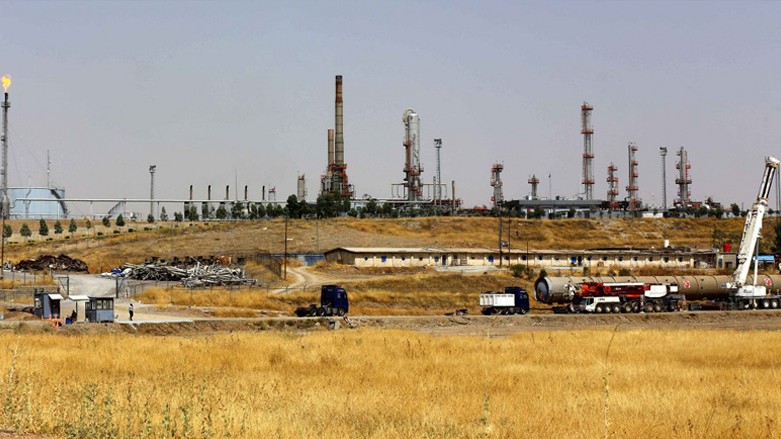
The Trump administration’s second term, beginning in 2025, implemented sanctions targeting Russian and Chinese positions in Iraq. Simultaneously, Western energy corporations advanced their interests through major acquisitions and development agreements. ConocoPhillips recently agreed to acquire a 42 percent stake in BP Energy Company of Kirkuk Limited, gaining involvement in five northern oil fields with combined reserves estimated at 9 billion barrels. The project targets initial production of 328,000 barrels per day, with expectations to reach 450,000 barrels per day within two to three years.
These developments carry implications extending beyond commercial energy interests. Moscow and Beijing have historically pursued policies aimed at consolidating Iraqi regional autonomy under central Baghdad authority while limiting Western presence. The current American-led repositioning through corporate deals represents a competing vision for Iraq’s future alignment and resource management.
Article Attribution | Read More at Article Source
Article summary produced by Claude AI