

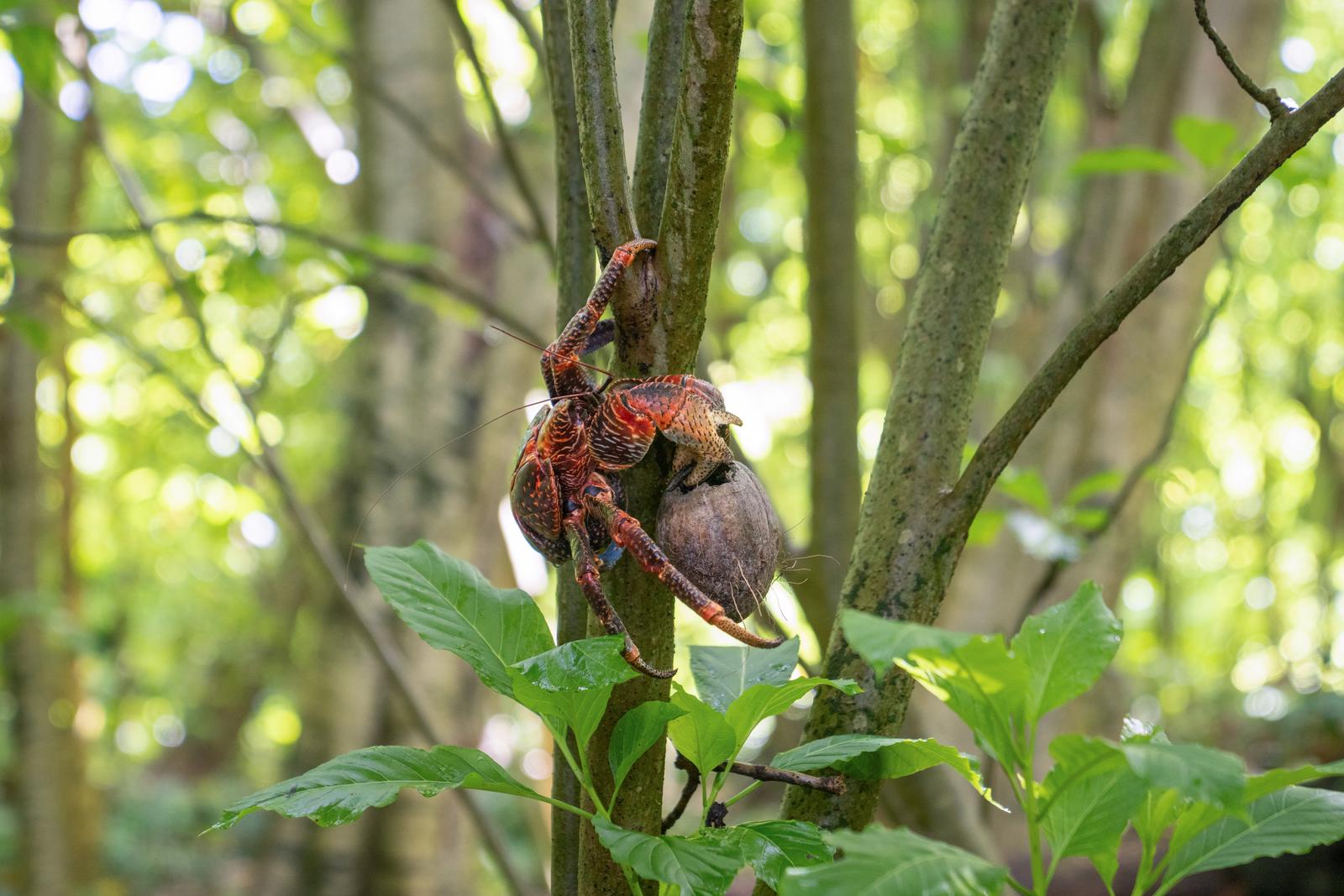
More than one million square miles of the Pacific Ocean have been safeguarded as U.S. marine national monuments and sanctuaries, protecting some of the world’s most pristine ecosystems. These remote islands and atolls serve as biodiversity hotspots, with the Pacific Islands Heritage Marine National Monument, Papahānaumokuākea Marine National Sanctuary, and other designated areas containing unique marine life. Remote locations like Palmyra Atoll, located thousands of miles from the nearest continent, host research stations and serve as crucial habitats for seabirds, sharks, and fish species.
The Trump administration has initiated changes to allow commercial fishing in these protected waters. Last year, the administration opened portions of the Pacific Islands Heritage Marine National Monument to commercial fishing beyond 57 miles from shore, prompting conservation groups to file a lawsuit. After a judge ruled that a full regulatory process must be followed, the National Oceanic and Atmospheric Administration began evaluating the proposed changes. In June, Trump issued a proclamation allowing commercial fishing in the deep waters of three additional Pacific monuments, including Papahānaumokuākea, the largest fully protected conservation area in the United States.
Hawaii’s fishing industry supports opening the monument waters, citing increased competition from foreign vessels on the high seas and rising fuel costs. The state’s longline fishing fleet, which operates hundreds of miles from shore using thousands of baited hooks, could access new fishing grounds where foreign competitors would be prohibited. Officials estimate that up to 100,000 pounds of fish are processed at Honolulu auctions daily, primarily bigeye and yellowfin tuna sold for high-grade sushi and poke markets.
Opposition to the initiative has come from Native Hawaiian cultural groups and conservation organizations. The Northwestern Hawaiian Islands are considered sacred in Hawaiian culture, and Indigenous leaders have spent decades fighting for protections and now co-manage Papahānaumokuākea with federal and state agencies. Concerns include bycatch of other species, such as sharks, which numbered over 7,000 in 2015 when fishing was previously allowed. Research shows that protected marine areas can increase fish populations through a spillover effect, with some studies indicating improved catch rates for tuna species after protections were expanded.
Conservation groups contend that with climate change threatening ocean ecosystems, the marine monuments require maximum protection to maintain resilience. Plans for legal challenges to the opening of three monuments are underway, while federal officials are expected to announce decisions regarding the Pacific Islands Heritage Marine National Monument this year.
Article Attribution | Read More at Article Source
Article summary produced by Claude AI