

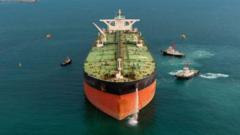
Analysts tracking maritime activity have characterized current conditions in Middle Eastern shipping corridors as the most dangerous period since the onset of the Iran conflict. The assessment follows a series of attacks on vessels traversing the Red Sea, a route that had gained increased usage after the Strait of Hormuz saw significantly reduced traffic.
Data from ship-tracking firms indicates a dramatic drop in vessel transits through the Strait of Hormuz, with only single-digit daily passages recorded recently compared to more than 100 vessels per day before the conflict. Prior to the war, approximately one-fifth of global oil and gas supplies passed through the waterway. A temporary ceasefire agreement reached in early June had briefly restored traffic flows, but the resumption of hostilities roughly a month later reversed those gains.
The Red Sea has served as an alternative shipping corridor, particularly for oil exports from Saudi Arabia. However, recent strikes attributed to Yemen’s Houthi fighters against Saudi tankers have created a new threat to this secondary route. The Iranian-backed militia declared a blockade on Saudi Arabian Red Sea ports and multiple vessel attacks have been reported in recent days. Industry representatives characterize the deteriorating security situation as increasingly complex, with high-risk zones now extending into previously safer waters.
Crude oil exports destined for Asian markets have declined to approximately four daily shipments through the region, marking the lowest volume since the conflict began. Some vessels continue attempting transit by disabling tracking systems to avoid detection. A major international shipping company indicated it would continue selective operations while closely monitoring the situation and remaining prepared to reroute services if conditions worsen further.
Iran has indicated discussions with Oman regarding straits security but stated no imminent agreement exists. Officials maintained that any accord would not relax current restrictions while American actions continue. Market observers suggest that even if transit restrictions were lifted, full restoration of normal cargo flows could require three to four months due to service suspensions and vessel redeployments. Oil prices experienced volatility following announcements regarding potential negotiations, with benchmark crude declining substantially during recent trading sessions.
Article Attribution | Read More at Article Source
Article summary produced by Claude AI