

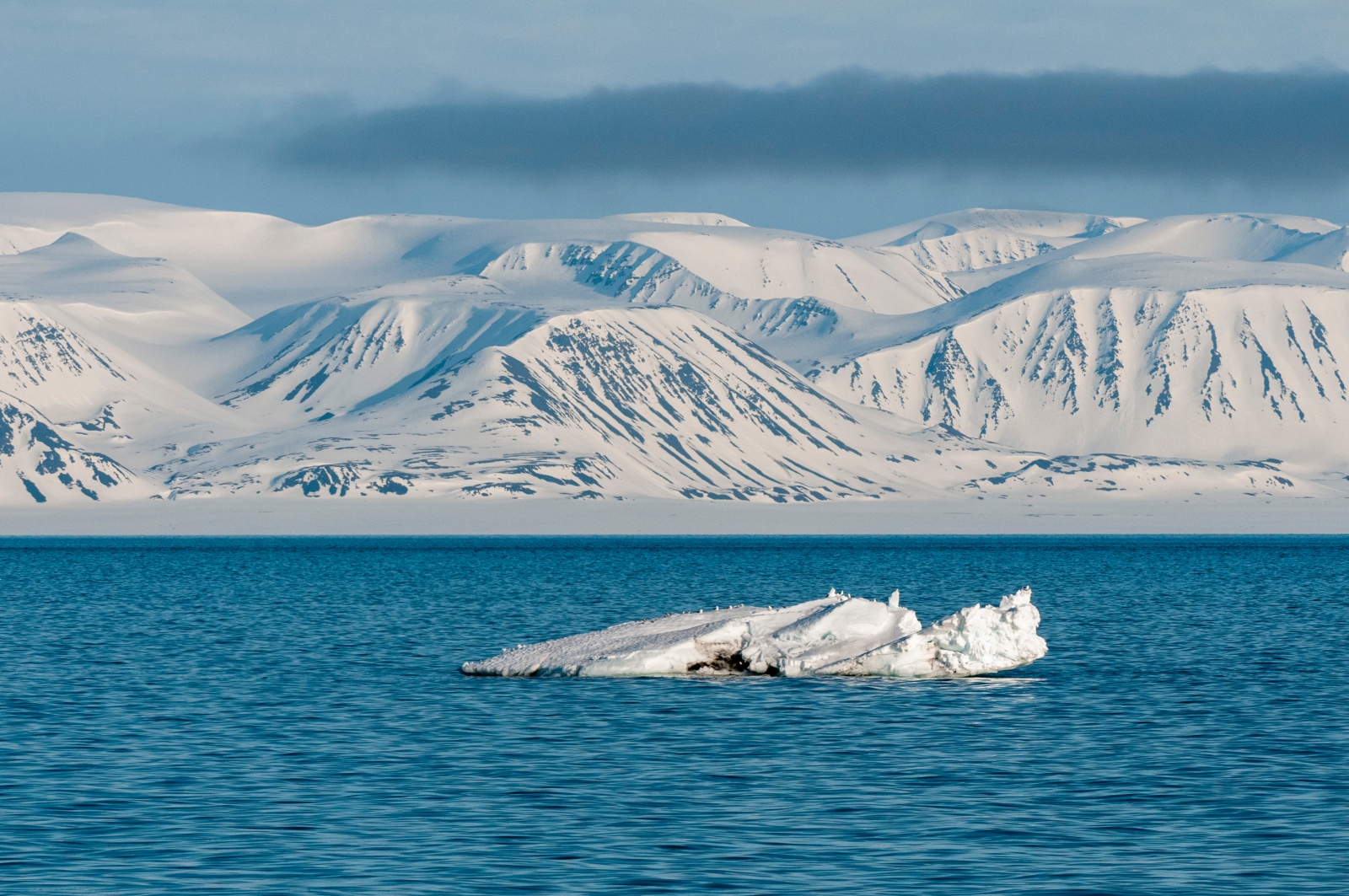
The National Oceanic and Atmospheric Administration announced on Tuesday that it will cease coordinating the Arctic Report Card, an annually published peer-reviewed report that has documented environmental conditions across the Arctic region since 2006. NOAA communications director Kim Doster stated that the agency would no longer facilitate coordination of the 2026 report, though data historically contributed by NOAA would continue to be collected and made publicly available. The decision did not include an explanation from the administration.
The Arctic Report Card has tracked significant environmental developments across the region’s atmosphere, oceans, ice sheets and tundra over two decades. Recent editions have documented accelerating climate impacts, including record-breaking temperatures, declining sea ice extent, glacier loss contributing to rising sea levels, and degradation of water quality in Arctic Alaska watersheds caused by thawing permafrost. The most recent report found surface temperatures from October 2024 through September 2025 were the warmest recorded since 1900, while March 2025 marked the lowest annual maximum sea ice extent in the 47-year satellite record.
Report editors expressed concern about the transition. Rick Thoman, lead editor, stated the team is working to assemble the 2026 edition despite the late timing, while Twila Moon of the National Snow and Ice Data Center emphasized the report’s value as a federal effort and said its loss represents a step back in U.S. leadership on scientific and environmental matters. Former NOAA administrator Rick Spinrad called the decision “unconscionable,” noting the report provides essential baseline data for communities dependent on Arctic infrastructure, from oil operations to fishing and local municipalities managing weather-related hazards.
The decision represents part of a broader pattern since the Trump administration took office, including cuts to climate-related research programs, removal of climate change references from federal publications, and elimination of tracking for climate disaster costs. Administration critics have attributed these actions to a stated aversion to climate change research.
Article Attribution | Read More at Article Source
Article summary produced by Claude AI