

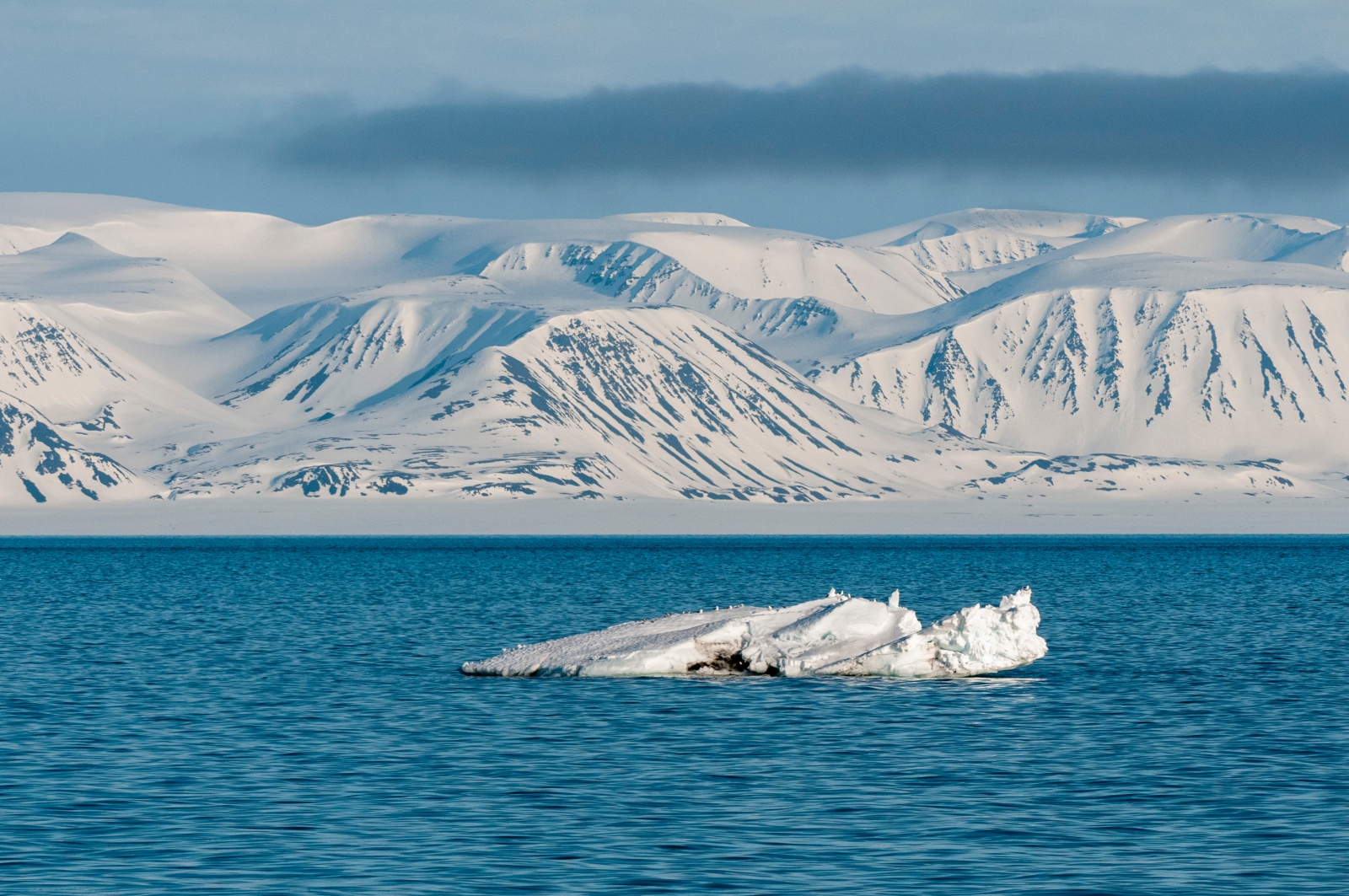
The Trump administration announced it would cease federal coordination of the Arctic Report Card, a peer-reviewed annual report that has documented environmental conditions across the Arctic since 2006. Kim Doster, communications director for the National Oceanic and Atmospheric Administration, indicated that while NOAA would continue collecting data historically contributed to the report, the agency would no longer facilitate the publication’s coordination.
The Arctic Report Card has tracked significant environmental shifts including atmospheric conditions, ocean changes, ice dynamics, and tundra alterations. The 2025 edition documented record-high surface temperatures across the Arctic from October 2024 through September 2025, with winter sea ice reaching its lowest maximum extent in 47 years of satellite records. The report also noted ongoing glacier loss, rising sea levels, and widespread water quality degradation in Arctic Alaska watersheds caused by permafrost thaw, which has released iron and other elements turning waterways orange and increasing acidity and toxic metal concentrations.
Report editors expressed concern about the discontinuation. Rick Thoman, lead editor, stated the team was working to determine whether production could continue for later years. Twila Moon, an editor and scientist at the National Snow and Ice Data Center, emphasized the significance of Arctic changes to U.S. interests and warned that losing federal coordination represented a diminishment of American scientific leadership.
Rick Spinrad, former NOAA administrator under the previous administration, called the decision “unconscionable,” noting that the report provides essential baseline data for infrastructure planning in Alaska, including oil pipelines, fishing operations, and municipal planning. He suggested the decision may relate to the administration’s stance on climate change research. The withdrawal represents part of a broader pattern of actions by the Trump administration since January, including removal of climate-related language from federal research programs, closure of a Colorado climate research facility, and removal of climate reports from government websites.
Article Attribution | Read More at Article Source
Article summary produced by Claude AI