

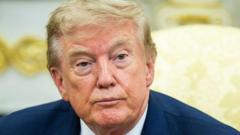
President Donald Trump announced a temporary pause on tariffs targeting roughly $20 billion in Canadian imports, postponing a levy scheduled to take effect immediately. The 50% duty on a diverse range of products including wine, dairy, cement, clothing, and hockey equipment was halted for a three-day period while negotiators work to finalize the terms of a broader trade agreement.
The decision came hours before the tariffs were set to be imposed, following intensive discussions between trade representatives from both nations. Canadian Prime Minister Mark Carney and Trump spoke twice this week as negotiations intensified. Carney stated that substantial progress had been achieved, though significant work remained to be completed. The trade talks have been ongoing since July, when Trump initially set an August deadline for the tariff implementation.
Key sticking points in the negotiations have centered on automotive tariffs, agricultural access, and provincial restrictions on American alcohol sales. Discussion in the final hours before the deadline focused on reducing US tariffs on Canadian autos from 25% to 15%, though disagreement persisted over which vehicles would qualify for reductions based on American-made content requirements. Canada has sought reduction or elimination of existing US tariffs on steel, aluminum, autos, and lumber, while the US has requested Canada remove retaliatory tariffs on American vehicles and adjust dairy quotas to increase access for US cheese.
Trump also indicated that a finalized trade agreement could enable revival of the Keystone XL pipeline, which would transport oil from Alberta to the United States. The project, previously blocked by previous administrations, has faced opposition from environmental and indigenous groups. The US Trade Representative’s office noted that any agreement would include market access provisions for American goods, economic security measures, and digital trade alignment protections for both nations.
Business groups from both countries have warned that the additional tariffs would inflict economic damage on both economies and disrupt supply chains. Ontario Premier Doug Ford indicated openness to lifting his province’s alcohol ban contingent on reaching a fair agreement, though provincial control over liquor sales complicates federal negotiations.
Article Attribution | Read More at Article Source
Article summary produced by Claude AI