

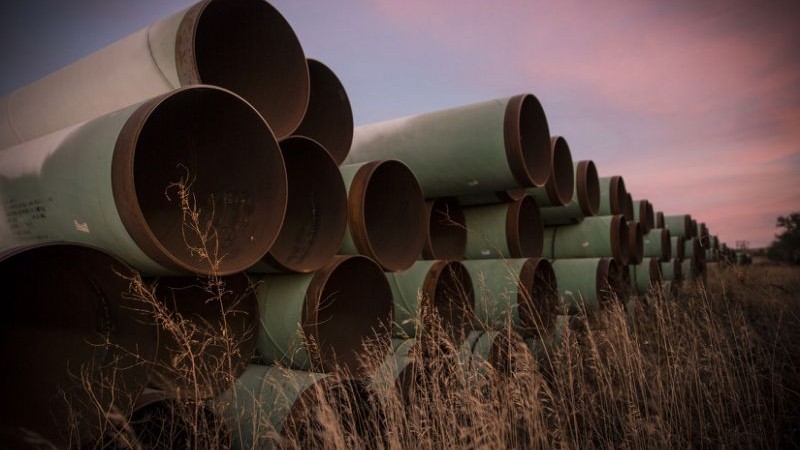
The Trump administration has undertaken a systematic effort to reshape U.S. policy toward Bosnia and Herzegovina, centered on securing a liquefied natural gas pipeline from Croatia. The initiative involves dismantling longstanding diplomatic approaches and relies on an energy deal that has drawn criticism for its lack of transparency and numerous potential conflicts of interest.
A key component of this strategy involved rehabilitating Milorad Dodik, the Bosnian Serb entity leader whose government had been subject to U.S. sanctions since 2017 for obstructing the 1995 Dayton peace agreement and attacking state institutions. The administration engaged lobbying firms connected to Trump allies, including former Illinois governor Rod Blagojevich and retired General Michael Flynn, to facilitate communications between Dodik and Washington decision-makers. Following these efforts, the Treasury Department removed Dodik and dozens of associated individuals and entities from the sanctions list in October 2025, without providing detailed public justification.
Central to the pipeline initiative is AAFS Infrastructure and Energy LLC, a Wyoming-incorporated company established in November 2025 with ties to Trump’s personal lawyer Jesse Binnall and Flynn’s brother Joe Flynn. The company rapidly became positioned as the developer for the Southern Interconnection pipeline project, which had previously been under joint development by Bosnia’s state gas operator BH Gas and Croatia’s Plinacro. Unlike traditional infrastructure projects, AAFS was inserted into the deal without a competitive tender process. The company lacks disclosed engineering, construction, and operating partners, and its full ownership structure remains undisclosed.
The pipeline development intersects with a longstanding property rights dispute within Bosnia, as approximately one-third of the proposed route crosses state property whose ownership remains unresolved. Resolving this issue would typically require intervention from Bosnia’s High Representative, an international official with extraordinary powers. High Representative Christian Schmidt declined to use these powers to settle the property question in a manner favorable to the pipeline, leading to U.S. pressure that resulted in his resignation in May 2026. The administration subsequently backed Italian diplomat Antonio Zanardi Landi for the position, though European countries have opposed this appointment in favor of other candidates.
The strategy has encountered complications, particularly regarding Dodik’s subsequent behavior. Despite sanctions relief, he has resumed advocacy for Republika Srpska’s secession and has deepened engagement with Russia, pursuing a separate pipeline project that would maintain access to Russian gas. This development undercuts the stated objective of reducing Bosnia’s energy dependence on Russia.
Article Attribution | Read More at Article Source
Article summary produced by Claude AI