

The Trump administration’s approach to the Russia-Ukraine conflict has undergone a significant reassessment since early 2025. Initial White House optimism about negotiating a political settlement with Moscow has diminished as the administration concluded that the Kremlin remains committed to maximalist war objectives rather than compromise. Conversely, the administration has grown impressed by Ukraine’s military resilience, expanding defense capabilities, and long-range drone operations, leading to a recalibrated view of Kyiv as a strategic partner rather than merely a recipient of Western aid.
Washington is signaling a shift toward intensified economic pressure on Russia. Bipartisan sanctions legislation that had been dormant while the White House pursued diplomatic channels has gained renewed momentum. On August 7, the Senate approved an expanded sanctions package with substantial margins, advancing the bill toward House consideration and eventual presidential signature. The legislation would significantly broaden presidential authority to impose secondary sanctions and tariffs against nations and companies engaged in Russian energy purchases or sanctions circumvention.
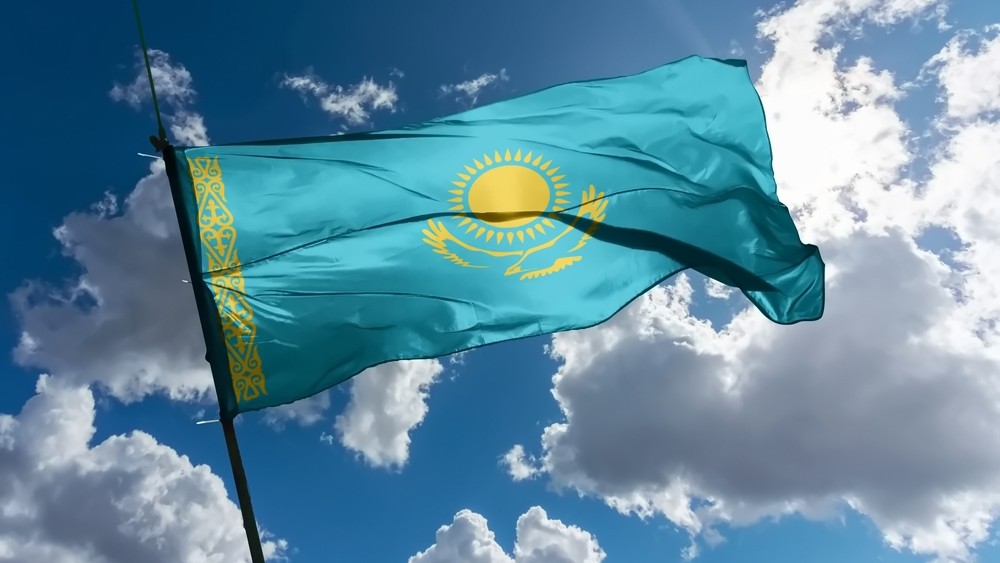
Kazakhstan faces particular complications from this geopolitical pivot. While direct sanctions against the Central Asian nation remain unlikely, the country confronts risks from secondary sanctions targeting Kazakh entities connected to Russian operations, heightened financial compliance requirements, and increased scrutiny of companies within Russian supply chains. The nation’s energy sector has already suffered tangible damage, with crude oil production declining 9 percent during the first seven months of 2026, representing approximately $3.5 billion in lost revenue. Ukrainian drone strikes against Russian energy infrastructure have compounded these losses by threatening Kazakh oil exports transiting through Russian territory.
President Kassym-Jomart Tokayev’s recent diplomatic initiatives reflect Kazakhstan’s strategic predicament. During a late July meeting with Russian President Putin in Omsk, Tokayev advocated for an immediate armistice, characterizing the proposal as a practical option given entrenched positions among combatants. Tokayev explicitly declined the role of mediator while emphasizing Kazakhstan’s stake in conflict resolution. As US policy tilts toward sustained pressure on Moscow rather than near-term negotiated settlement, Kazakhstan faces narrowing strategic options. Astana’s emphasis on de-escalation, sanctions compliance, and diplomatic equilibrium reflects pragmatic efforts to safeguard its economic interests and energy security amid shifting great power dynamics.
Article Attribution | Read More at Article Source
Article summary produced by Claude AI