

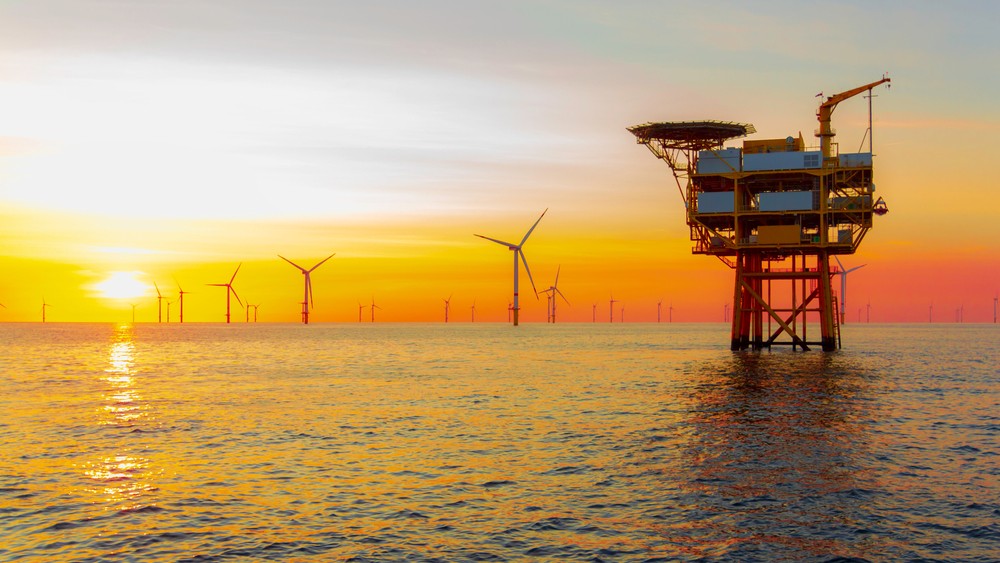
The Trump administration has pursued a policy of constraining offshore wind energy development through a series of executive actions and regulatory measures since taking office. These actions include a presidential memorandum withdrawing federal areas from offshore wind leasing and establishing a review of federal permitting practices. The administration has also secured agreements to halt projects, most notably paying France’s TotalEnergies approximately $1 billion in March to permanently suspend its U.S. offshore wind operations.
The renewable energy sector had experienced significant growth prior to the policy shift. Between 2021 and the end of 2024, clean energy employment increased by nearly 12 percent, reaching 3.6 million workers. This expansion was supported by policies including the Inflation Reduction Act passed in 2022, which directed substantial resources toward solar, wind, and battery storage sectors. Concurrently, employment in oil and gas declined by approximately 20 percent between 2015 and 2025, prompting industry workers to pursue training for transition into renewable energy roles.
The suspension and cancellation of offshore wind projects has created significant workforce disruption. According to estimates, a typical offshore wind project generates roughly 1,000 construction jobs annually plus approximately 100 permanent operational positions. By September 2025, nine previously approved offshore wind projects, expected to supply electricity to approximately 5 million households and generate around 9,000 jobs, had been placed under investigation or paused. Training programs, including initiatives by New England’s Millwrights Local 1121 union at costs between $10,000 and $20,000 per person, have yielded limited employment prospects.
Beyond direct employment impacts, the policy has affected broader economic development plans. Regions including Massachusetts cities like Salem and New Bedford, as well as New Jersey locations such as Paulsboro, had begun establishing manufacturing facilities and supply chains centered on wind energy production. The uncertainty surrounding the sector’s future and the limited availability of positions have left workers who transitioned from oil and gas facing a highly competitive and unstable job market.
Article Attribution | Read More at Article Source
Article summary produced by Claude AI