

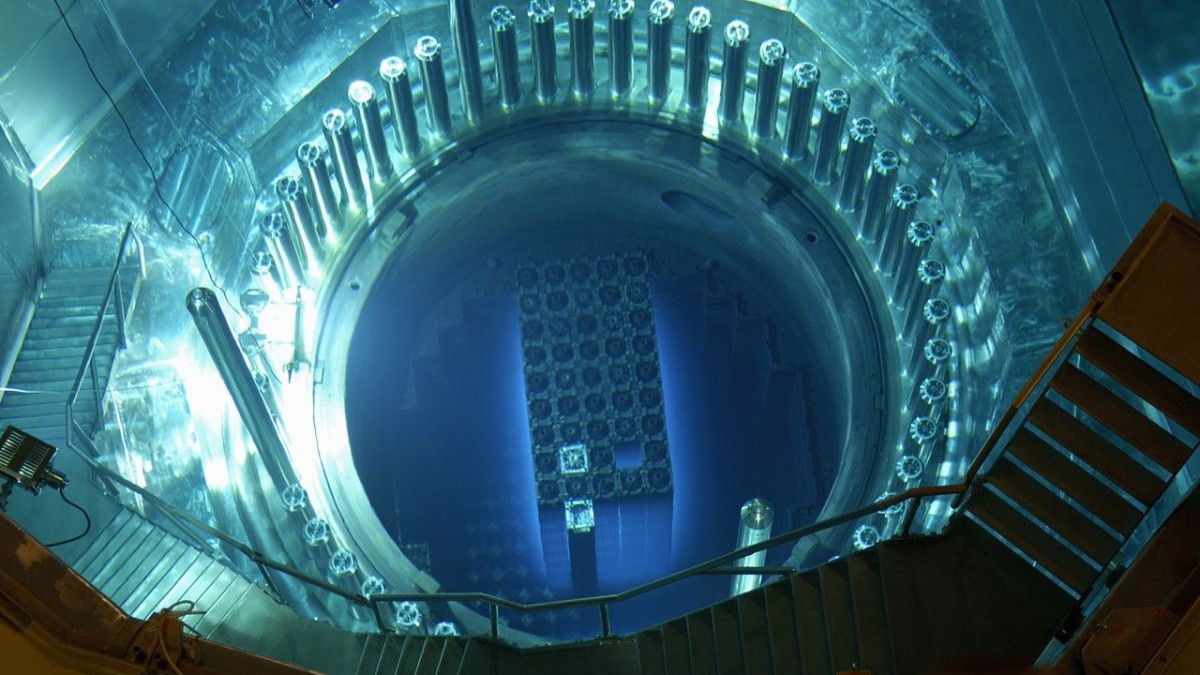
The U.S. Army has awarded up to $2.2 billion over a five-year period to deploy nuclear microreactors at military installations as part of the Janus Program. The initiative, announced in October 2025, aims to have approximately 20 microreactors operational at five domestic bases by 2028. Five vendors have been selected to design and deploy the systems: Antares Nuclear for Fort Bragg in North Carolina, BWXT Technologies for Fort Campbell in Kentucky, General Atomics Electromagnetic Systems for Fort Hood in Texas, Radiant Industries for Fort Benning in Georgia, and Westinghouse Government Services for Fort Drum in New York.
The microreactors are substantially more powerful than conventional portable generators, with each unit capable of producing between 1-20 megawatts of electricity. Nuclear startups Radiant Industries and Antares Nuclear have secured major contracts, with Radiant’s deal valued at up to $750 million for deployment of 15 Kaleidos microreactors. The modular systems are designed for rapid deployment, with Radiant’s reactor capable of becoming operational within 48 hours of arrival at a base. The reactors will be factory-built and transported via standard commercial vehicles, eliminating lengthy on-site construction periods.
A significant aspect of the program involves the Army taking licensing responsibility rather than the U.S. Nuclear Regulatory Commission. This arrangement has generated criticism from some experts who view the approach as problematic, though Army officials maintain the reactors are designed with eventual commercial market transition in mind, at which point NRC involvement would occur. The Army plans to coordinate with the Energy Department for radioactive waste removal.
The deployment of microreactors aligns with broader governmental objectives to expand nuclear energy capacity, with targets set for 300 gigawatts of new nuclear power by 2050. The microreactor initiative occurs as major technology companies pursue nuclear energy agreements to support their data center operations, with entities such as Google, Amazon, Microsoft, and Meta signing multiple contracts involving small modular reactors and advanced nuclear facilities.
Article Attribution | Read More at Article Source
Article summary produced by Claude AI