

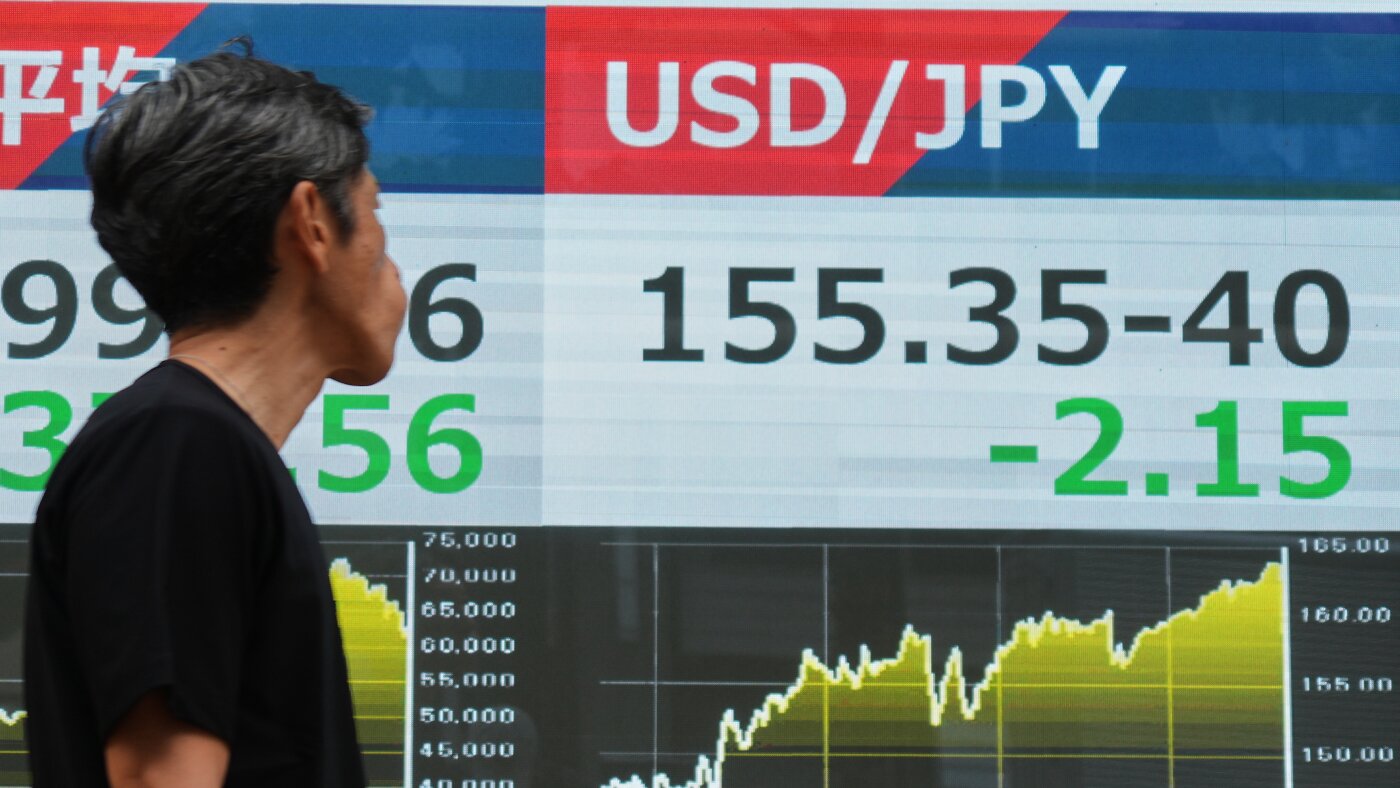
The U.S. dollar experienced a significant decline against the Japanese yen on Monday following official confirmation that both the United States and Japan had intervened in currency markets. Prior to the coordinated action, the dollar had traded above 163 yen, reaching 40-year highs. After suspected interventions late last week, the rate fell below 160 yen, and the official announcement triggered an additional one percent drop to 156.34 yen per dollar.
Japan’s sustained struggle with a weak currency has created economic pressures, particularly given the nation’s reliance on imports. A weaker yen raises import costs and contributes to inflationary pressures within the domestic economy. Previous efforts earlier in the year to strengthen the yen against the dollar had yielded minimal results, prompting the coordinated intervention effort.
President Trump confirmed the U.S. involvement in the intervention, characterizing it as an expression of friendship and noting that America derived “financial benefit” from the action. He emphasized the strength of the U.S.-Japan relationship and stated that the intervention served broader global economic interests. Japan’s Finance Minister Satsuki Katayama issued a statement confirming that the finance ministry had purchased yen in coordination with the U.S. Treasury Department, stating the action countered excessive volatility and disorderly movements in recent months.
Market observers noted that explicit acknowledgement of intervention is uncommon in currency markets, with notable precedent from governmental actions following the 2011 earthquake and tsunami. Industry analysts indicated that the weakened dollar benefits American exporters by making U.S. goods more price-competitive in yen-denominated terms. The coordinated action represents an alignment of economic interests between the two nations, with stronger dollar weakness potentially boosting American export volumes to the Japanese market.
Article Attribution | Read More at Article Source
Article summary produced by Claude AI