

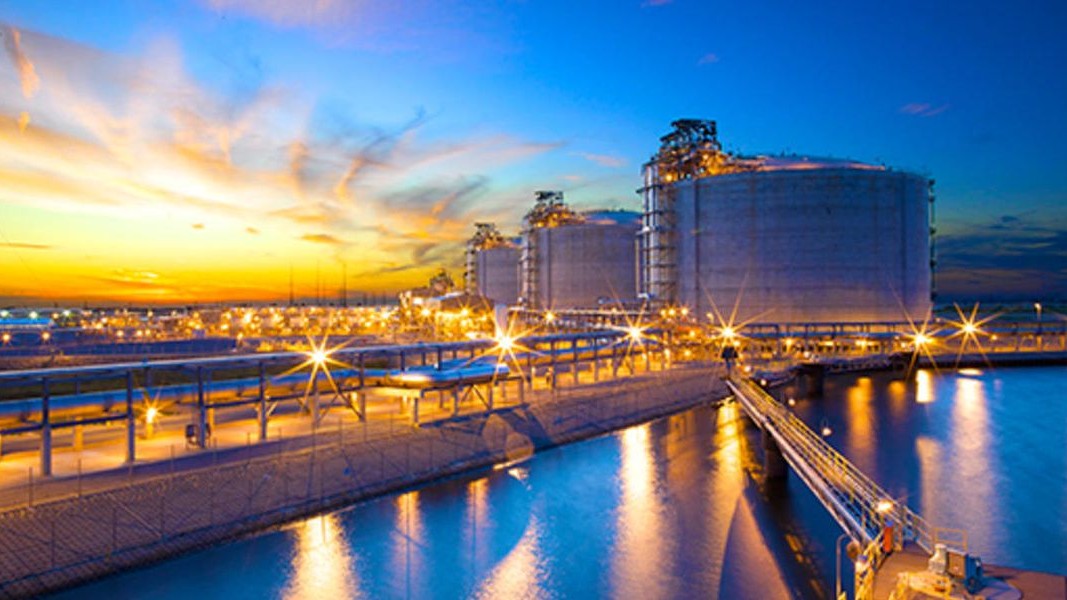
The United States energy sector has played a stabilizing role in global markets following supply disruptions stemming from geopolitical tensions in the Middle East and the closure of the Strait of Hormuz. American crude oil production, natural gas output, and liquefied natural gas exports have reached record levels, helping to mitigate price shocks and supply shortages that would otherwise have been more severe on international markets.
According to analysis from the American Petroleum Institute, this capacity to serve as a global energy stabilizer is the product of sustained investment over decades. The oil and gas industry has invested approximately $150 billion annually in upstream production since the shale revolution began, with additional billions directed toward pipeline infrastructure, export terminals, and other essential facilities. These long-term capital commitments fundamentally altered the United States’ position within international energy markets.
However, the rapid export of oil and fuel products to meet global demand has created vulnerabilities within the domestic market. American crude oil and petroleum product inventories have fallen below five-year averages for the time of year, with middle distillate stockpiles running 12 percent below their historical baseline. This constrained inventory position leaves little margin for error should domestic supply face interruption from weather events or refinery shutdowns.
Consumer prices have risen significantly as international crude costs climbed due to the supply disruption. The national average gasoline price has reached approximately $4 per gallon, representing increases of roughly $1 since late February and nearly $0.90 compared to the previous year. While U.S. production has helped moderate what could have been sharper price increases, the country remains exposed to ongoing Middle East instability and shipping lane risks.
The American Petroleum Institute emphasizes that sustained energy security requires continued policy support and investment in domestic supply infrastructure. Officials contend that maintaining the nation’s capacity to cushion future supply shocks depends on creating conditions favorable for long-term development and infrastructure expansion in the energy sector.
Article Attribution | Read More at Article Source
Article summary produced by Claude AI