

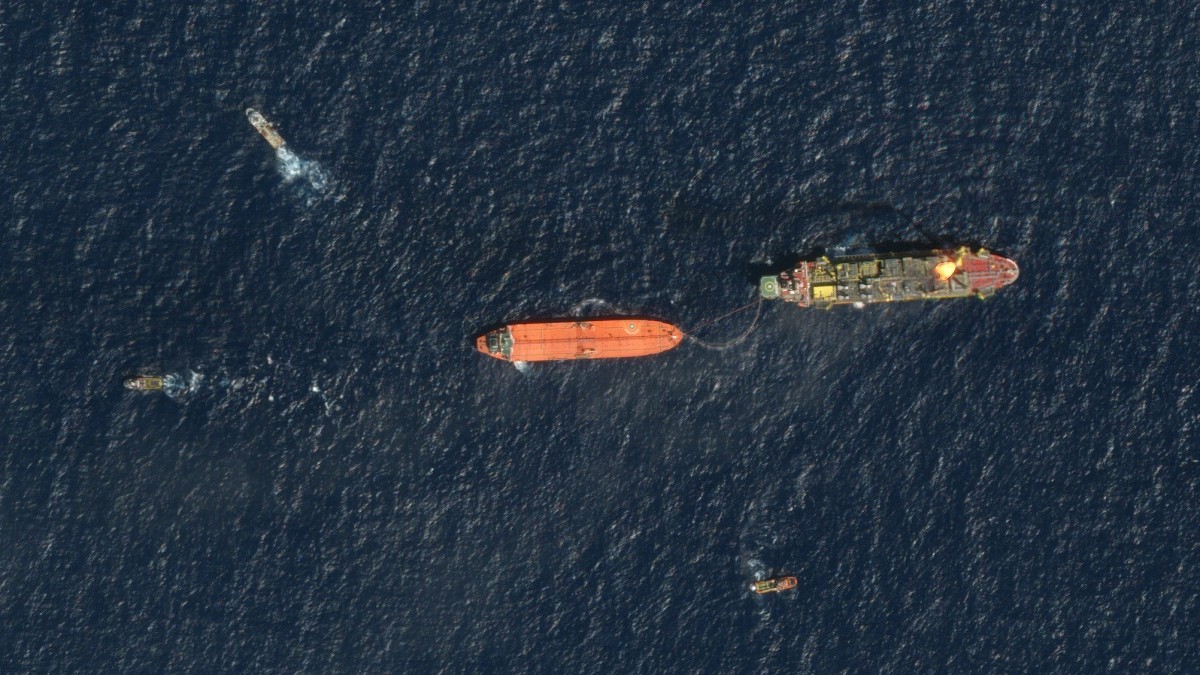
The United States government is considering the use of prize law, an 18th-century maritime mechanism, to manage Iranian vessels and cargo captured as part of an ongoing blockade. Prize law historically allowed courts to determine whether ships and goods seized during armed conflict could become property of the capturing nation. The practice was prevalent in naval warfare but has remained largely dormant since World War II.
Under current practice, the government typically relies on civil forfeiture procedures to take control of vessels involved in sanctions violations or related offenses. These proceedings can be lengthy and complicated, particularly when multiple parties—including shipping companies, creditors, and terrorism victims—assert competing claims to vessels or their cargo. Justice Department officials, working with Pentagon counterparts, view prize law as a potential solution to streamline these disputes and enable more rapid liquidation of captured oil, with proceeds directed to the US Treasury.
The Southern District of Texas, based in Houston, is being considered as a primary venue for prize cases. The district provides jurisdiction over a major port and is situated within the nation’s largest petrochemical infrastructure complex, offering facilities to receive and store substantial quantities of crude oil. Federal prosecutors in the office are coordinating with Department of Justice officials in Washington to establish procedures for the prize court system.
The approach serves multiple strategic purposes beyond immediate financial gains. Officials view the revival of prize law as a way to emphasize that Washington treats the blockade as a serious wartime measure rather than a conventional sanctions program. The mechanism could also discourage neutral commercial vessels from transporting goods believed to support Iranian interests.
However, significant legal and practical obstacles remain. Maritime law experts note that prize law represents a historical framework largely untested in contemporary international law contexts. Federal courts, prosecutors, and military personnel lack modern experience administering such cases, meaning procedures would require substantial reconstruction. Additionally, geopolitical concerns exist that normalizing prize law could establish a precedent other nations, including China, might later invoke against American interests during future conflicts.
Article Attribution | Read More at Article Source
Article summary produced by Claude AI