

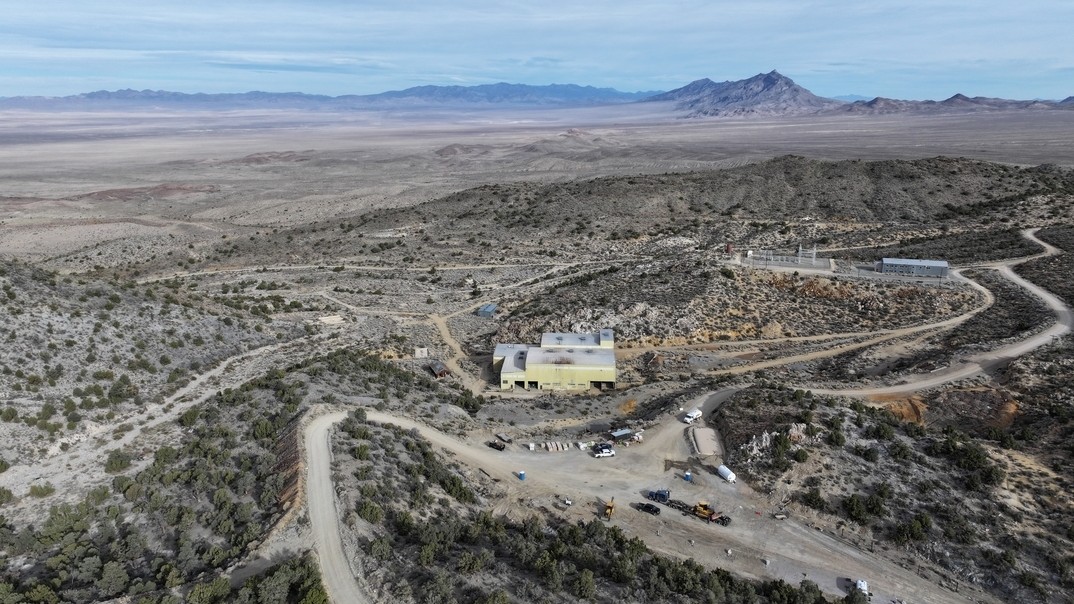
The United States has intensified its focus on securing critical minerals as a matter of national security, seeking to reduce reliance on China’s dominance of global markets. Earlier this week, a significant development emerged when 3 Proton Lithium announced the discovery of approximately 1.78 million tons of tungsten in a remote section of Nevada’s Great Basin Desert, representing the largest such deposit found in the United States in recent decades.
The discovery holds substantial economic significance, with an estimated value of $152 billion based on current market prices. Tungsten demand has surged dramatically, driving prices up 600% since the previous year, primarily due to export restrictions imposed by China and increased military demand from ongoing international conflicts. The metal is essential for numerous applications including electronics, defense systems, and aviation equipment, making its supply a strategic concern.
However, the project faces a significant obstacle: NASA has opposed further development in the area, citing concerns that mining operations would interfere with satellite signal tracking systems the agency operates in the region. The agency has already blocked drilling activities in portions of the area designated for these tracking operations, creating a conflict between national security interests in mineral supply and existing government infrastructure needs.
The impediment underscores broader challenges facing U.S. efforts to establish domestic critical mineral supplies. Over the past five years, Washington has invested approximately $46 billion in developing alternative supply chains less dependent on Chinese sources, including international sourcing at premium prices. China currently controls approximately 80% of the global tungsten market, and its recent export restrictions have intensified supply concerns.
While the Nevada discovery represents a potentially transformative opportunity for domestic supply, its ultimate viability depends on demonstrating commercial feasibility and resolving the competing interests between mining development and existing government operations. Industry observers emphasize that building domestic processing and supply capabilities requires long-term commitment and planning, particularly given the time required to transition discoveries into operational mining operations.
Article Attribution | Read More at Article Source
Article summary produced by Claude AI