

U.S. electricity consumption is on track to set new records both this year and in 2027, with projected demand reaching 4,268 billion kilowatt-hours this year and rising to 4,391 billion kilowatt-hours next year. The Energy Information Administration attributes much of this growth to the technology sector’s buildout of data centers supporting artificial intelligence applications. This follows two consecutive record-demand years in 2024 and 2025.
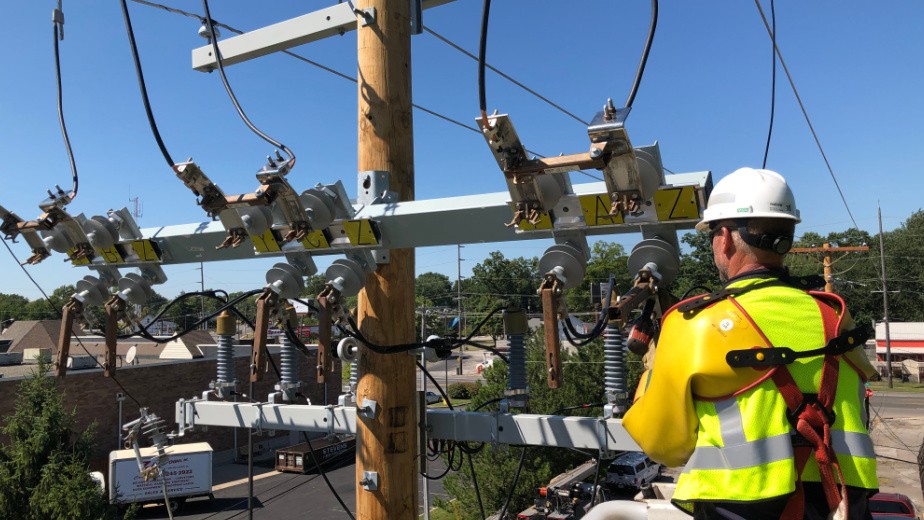
The surge in electricity demand presents a significant challenge for the nation’s power grid infrastructure. The existing grid was engineered around traditional fossil fuel power plants designed to deliver baseload power reliably across distributed areas. Modern demand centers, particularly massive data centers, concentrate power requirements in ways the current transmission network was not designed to accommodate. A single query using advanced AI chatbots consumes approximately ten times more energy than conventional internet searches, while model training requires enormous quantities of electricity comparable to the consumption of entire municipalities.
Transmission capacity represents the primary bottleneck rather than generation capacity alone. The grid must accommodate both new demand points from data centers and new supply points from wind and solar installations, but transmission lines were designed around conventional power plant locations rather than renewable energy sources. Renewable generators are situated where wind and solar resources exist, not where electricity consumption is concentrated, requiring the existing transmission network to route power across greater distances and between new points.
Additional constraints have emerged including a shortage of transformers resulting from rapid growth in both demand and alternative energy supply. Some regional authorities are requiring technology companies to develop their own generation capacity, whether through renewable or baseload sources, to reduce grid strain. Despite these measures, experts question whether infrastructure expansion can realistically keep pace with projected demand growth, raising concerns about the grid’s ability to reliably supply electricity to both data centers and other consumers.
Article Attribution | Read More at Article Source
Article summary produced by Claude AI