

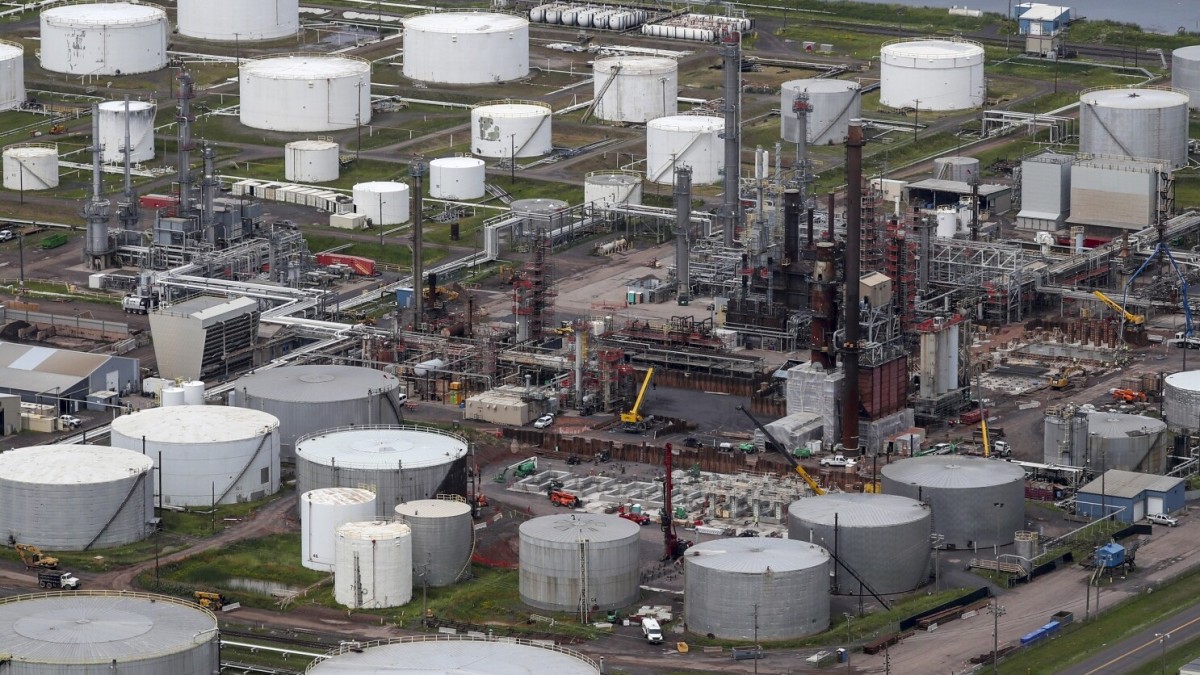
U.S. refineries have been operating at high capacity in recent months to compensate for disrupted Middle East fuel supplies and to meet strong export demand. This operational tempo may face interruption as Canadian oil sands enter their seasonal maintenance cycle, according to energy analytics firm Rystad Energy.
Canadian crude production is projected to decline by approximately 300,000 barrels daily in September due to scheduled maintenance activities. The timing presents a particular challenge because crude inventories are currently at their lowest levels in 12 months, eliminating the traditional buffer that typically offsets such seasonal production cuts. Canadian operators normally supply around 4 million barrels daily of heavy crude to U.S. refiners, and the anticipated reduction comes amid persistent strong fuel demand despite price-driven consumption constraints.
Venezuelan crude exports have risen but remain insufficient to bridge the gap. Venezuelan shipments to the United States reached an average of 786,000 barrels daily in July, the highest since early 2019, yet overall Venezuelan exports declined slightly to 1.16 million barrels daily in July from 1.2 million in June. The reliance on storage drawdowns to maintain export volumes suggests domestic production recovery has progressed more slowly than anticipated, with major international oil companies proceeding cautiously regarding re-engagement in the country.
Global fuel supply constraints continue to intensify amid geopolitical disruptions. Middle East tensions persist without resolution, Ukrainian operations targeting Russian refinery infrastructure continue, and recent U.S. sanctions escalation against Iran adds further pressure. Refining margins have reached historic levels, with the diesel crack spread hitting $100 per barrel for the first time in mid-August. The combination of reduced Canadian supplies entering the peak heating season, when fuel demand typically surges, raises the possibility of additional economic pressure through demand destruction in vulnerable markets and potential inflationary effects globally.
Article Attribution | Read More at Article Source
Article summary produced by Claude AI