

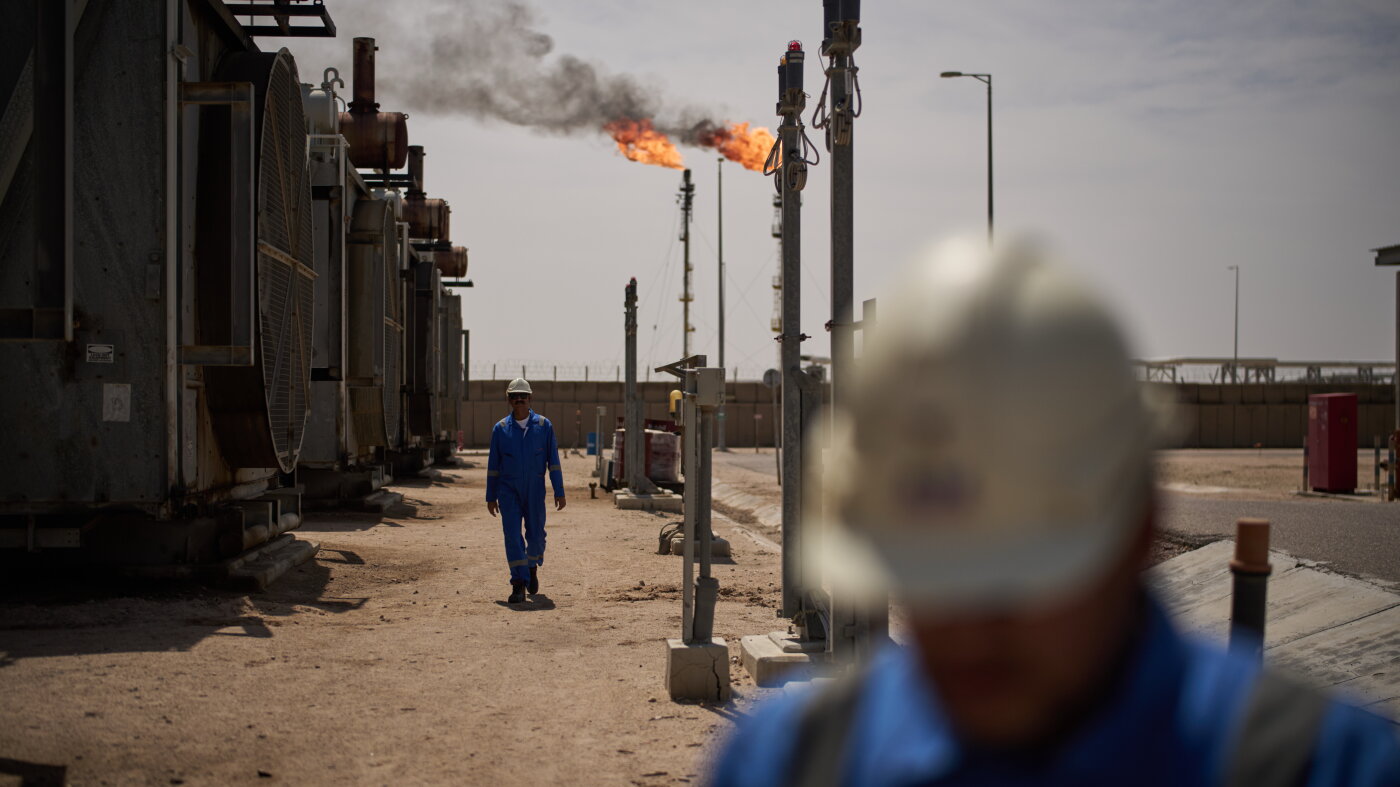
The United States has unveiled fresh economic sanctions targeting Iran while simultaneously promoting the development of new Middle Eastern pipelines intended to circumvent the Strait of Hormuz, a critical global shipping corridor. Treasury Secretary Scott Bessent stated earlier this month that the waterway would become “irrelevant” within two years, with between 50 and 70 percent of energy products ordinarily routed through the strait transitioning to underground pipeline systems.
However, energy professionals and international oil industry organizations have expressed skepticism regarding this timeline. The International Energy Agency, which includes major oil-producing nations among its members, projects that even after completion of major pipeline expansion initiatives, substantial quantities of oil would still require transit through the strait to meet pre-conflict export levels. The United Arab Emirates anticipates its $3 billion pipeline expansion to the port of Fujairah becoming operational next year, while larger Saudi pipeline projects are expected to require several additional years. Analysts note that the energy supply disruption resulting from military actions in February represents the largest such disruption on record.
Multiple alternative routes face challenges and vulnerabilities. Iraq is negotiating pipeline arrangements with Turkey, though these discussions have been complicated by political disputes. The Bab el-Mandeb, a narrow passage serving as an alternate export route particularly for Saudi petroleum, has itself become a flashpoint as Iran-backed Houthi rebels have targeted shipping in the Red Sea. Liquefied natural gas cannot be transported through pipelines, creating additional constraints for producers like Qatar, which has criticized the new sanctions as unilateral actions.
Former State Department official David Goldwyn and other analysts argue that expected new pipeline capacity of approximately 10 to 12 million barrels daily falls significantly short of the 20 million barrels daily that passed through the strait prior to the conflict onset. This gap suggests that shipping route constraints will persist as a significant factor in global energy markets for the foreseeable future, likely maintaining upward pressure on consumer energy costs.
Article Attribution | Read More at Article Source
Article summary produced by Claude AI