

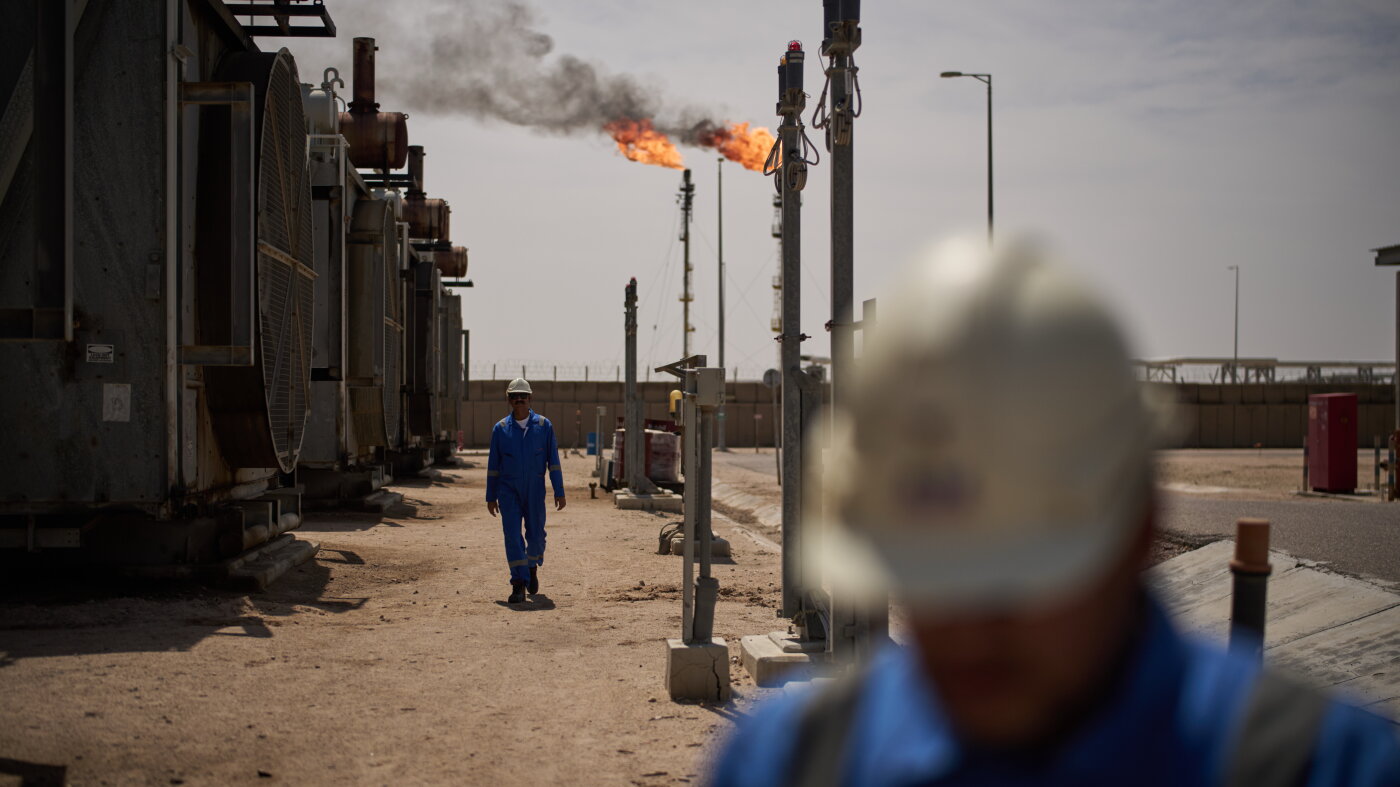
U.S. Treasury Secretary Scott Bessent announced that new economic sanctions targeting Iran would be complemented by pipeline infrastructure projects designed to redirect Middle East oil shipments away from the Strait of Hormuz. Bessent stated earlier this month that between 50 and 70 percent of energy products typically routed through the strait would soon travel via underground pipelines instead, effectively rendering it obsolete.
However, energy analysts and international organizations representing major oil-producing nations dispute this assessment. The International Energy Agency projects that several large pipeline expansion initiatives will take years to complete, with only the United Arab Emirates’ $3 billion expansion to its Fujairah port expected to become operational next year. Even once these projects finish, analysts estimate that roughly 10 million barrels per day would still need to traverse the Strait of Hormuz to meet pre-conflict export levels, representing approximately half of historical shipping volumes.
Former State Department official David Goldwyn characterized the situation as a persistent crisis, noting that current dynamics make lasting constraints on exports likely over the coming years. Robert McNally, who previously served on the National Security Council, called Bessent’s “irrelevant” characterization excessive, describing the Strait of Hormuz as “the most relevant chokepoint on the planet.” McNally also noted that Iran has demonstrated capability to attack redirected shipping routes and expanded terminal facilities.
Pipeline projects face significant obstacles beyond construction timelines. Iraq is negotiating with Turkey over a 600-mile pipeline to the Mediterranean and discussing additional routes with Jordan and Syria, but these efforts remain complicated by territorial disputes and regional conflicts. Additionally, liquefied natural gas cannot be transported through pipelines, creating an alternative supply vulnerability. Qatar, a major LNG producer, criticized the U.S. sanctions as unilateral, citing shared drilling rights with Iran on the South Pars field.
The shipping route disruptions, largely stemming from events earlier in the year, have contributed to higher consumer prices and represent the largest energy supply disruption on record according to the IEA. Analysts emphasize that durable long-term regional settlements remain necessary to address underlying stability concerns beyond infrastructure solutions alone.
Article Attribution | Read More at Article Source
Article summary produced by Claude AI