

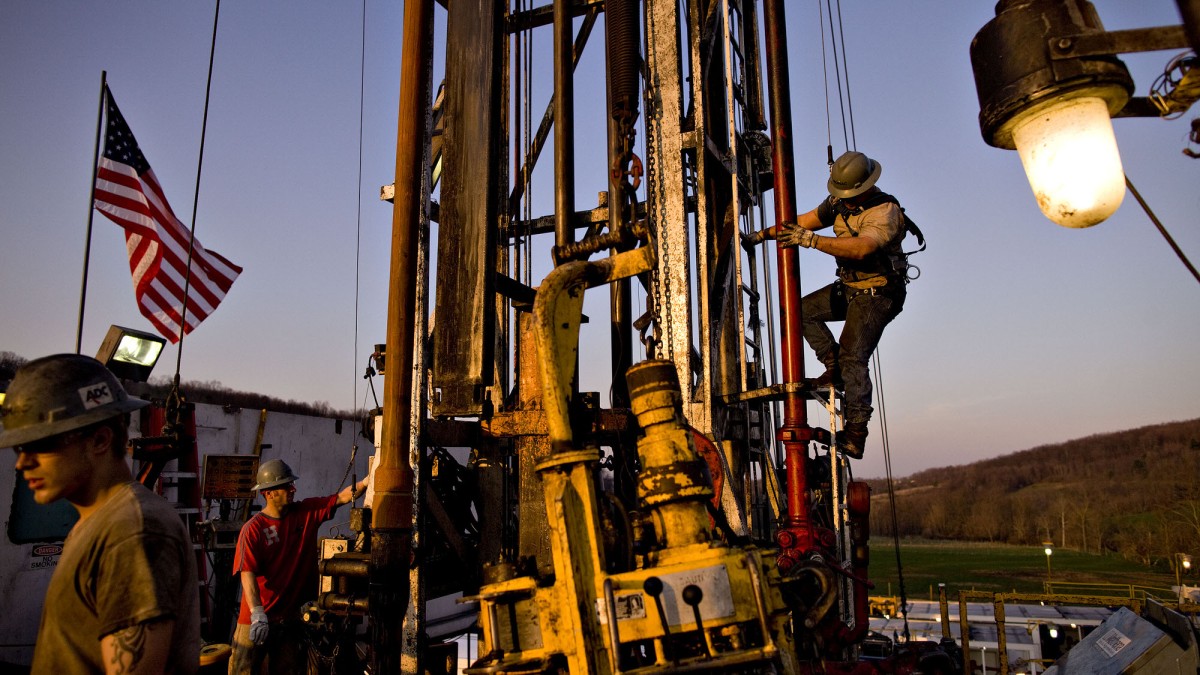
Large U.S. shale oil companies have announced spending reductions during the first half of the year, according to reports from earlier this month. Chevron and ConocoPhillips decreased capital expenditures by 10% in that period, while Occidental cut Permian operations spending by approximately one-fifth. Independent producers including APA Corp., HighPeak Energy, and Matador have similarly curtailed spending levels.
The spending cuts reflect an industry-wide shift toward financial discipline and shareholder distribution rather than production expansion. Companies are leveraging elevated international crude prices to pay down accumulated debt and return capital to investors. This approach has become standard practice across major operators over recent years and continues despite current market conditions.
The global oil market faces an anticipated daily deficit of 1.8 million barrels, according to the International Energy Agency’s latest monthly report. U.S. crude production reached 13.714 million barrels daily in May, marking record levels, while drilling rig counts increased 43 units year-over-year as of mid-August. However, accelerating well depletion rates in shale formations present production challenges. Industry data from 2024 indicated approximately 15% productivity decline in the shale patch, which operators offset through longer lateral drilling and efficiency improvements.
U.S. production growth has notably slowed since 2020. Between December 2016 and January 2020, output increased 4 million barrels daily, while growth from 2020 through May 2026 totaled only 2.5 million barrels daily. Current production levels remain slightly below averages from late 2025. The Energy Information Administration projects this year’s average output at 13.8 million barrels daily, representing a modest 200,000-barrel-per-day increase compared to the prior year.
The production plateau persists despite conditions that typically stimulate increased drilling, including significantly higher prices driven by physical supply constraints and ongoing Middle East tensions. Analysts attribute the restraint to structural industry changes, with the era of cash-intensive production maximization concluded. Well depletion acceleration and productivity decline rates are also contributing factors to the constrained production outlook.
Article Attribution | Read More at Article Source
Article summary produced by Claude AI