

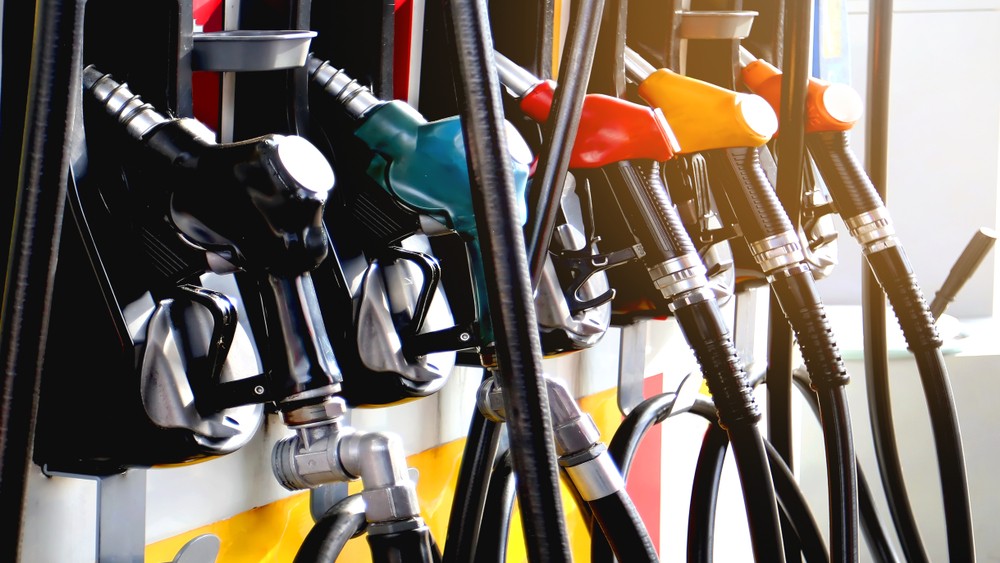
Central Asia is experiencing significant disruption to its energy markets as Ukrainian military operations targeting Russian refinery infrastructure have compelled Moscow to curtail fuel exports. The capacity constraints facing Russian producers are prompting neighboring states to pursue alternative suppliers and accelerate domestic production initiatives.
Kyrgyzstan and Tajikistan, historically reliant on Russian fuel for approximately 90 percent of their supplies, face particular challenges. Russia recently committed to supplying only half of Kyrgyzstan’s stated fuel requirements for the remainder of the year, approximately 100,000 tons of petroleum products monthly. In response, Kyrgyz authorities have negotiated smaller supply arrangements with Uzbekistan, Kazakhstan, Belarus, and China, while simultaneously exploring purchases from Turkey and European Union members. The Kyrgyz government is also accelerating construction of a domestic refinery expected to reach operational status by year’s end, with projected capacity to satisfy roughly a quarter of national demand annually.
Tajikistan has similarly pivoted away from Russian suppliers, tripling imports from Turkmenistan, Uzbekistan, and Kazakhstan in recent months while Russian gasoline shipments declined by approximately 50 percent. Tajik officials report fuel reserves sufficient for approximately 60 days and are negotiating additional supplies with Kazakhstan and China. Uzbekistan, less dependent on Russian energy due to domestic production capabilities meeting roughly 60 percent of demand, has expanded sourcing arrangements with Georgia, Iraq, and other suppliers. Officials there note adequate reserves for two to three months and cite increased jet fuel demand from expanded flight connections through the region.
Both Tajik and Uzbek authorities are pursuing geological surveying and extraction technology upgrades to develop domestic reserves, partnering with Chinese and American firms respectively. Kazakhstan and Turkmenistan, largely self-sufficient in petroleum products, are benefiting from heightened regional demand. Analysts assess that prolonged conflict will likely entrench these alternative supply arrangements, substantially reducing Russia’s market presence in Central Asia and constraining future revenue streams. Russian officials are reportedly negotiating with Kazakhstan regarding refinery partnerships that could provide protection from Ukrainian strikes, though such arrangements would likely diminish Kremlin earnings.
Article Attribution | Read More at Article Source
Article summary produced by Claude AI