

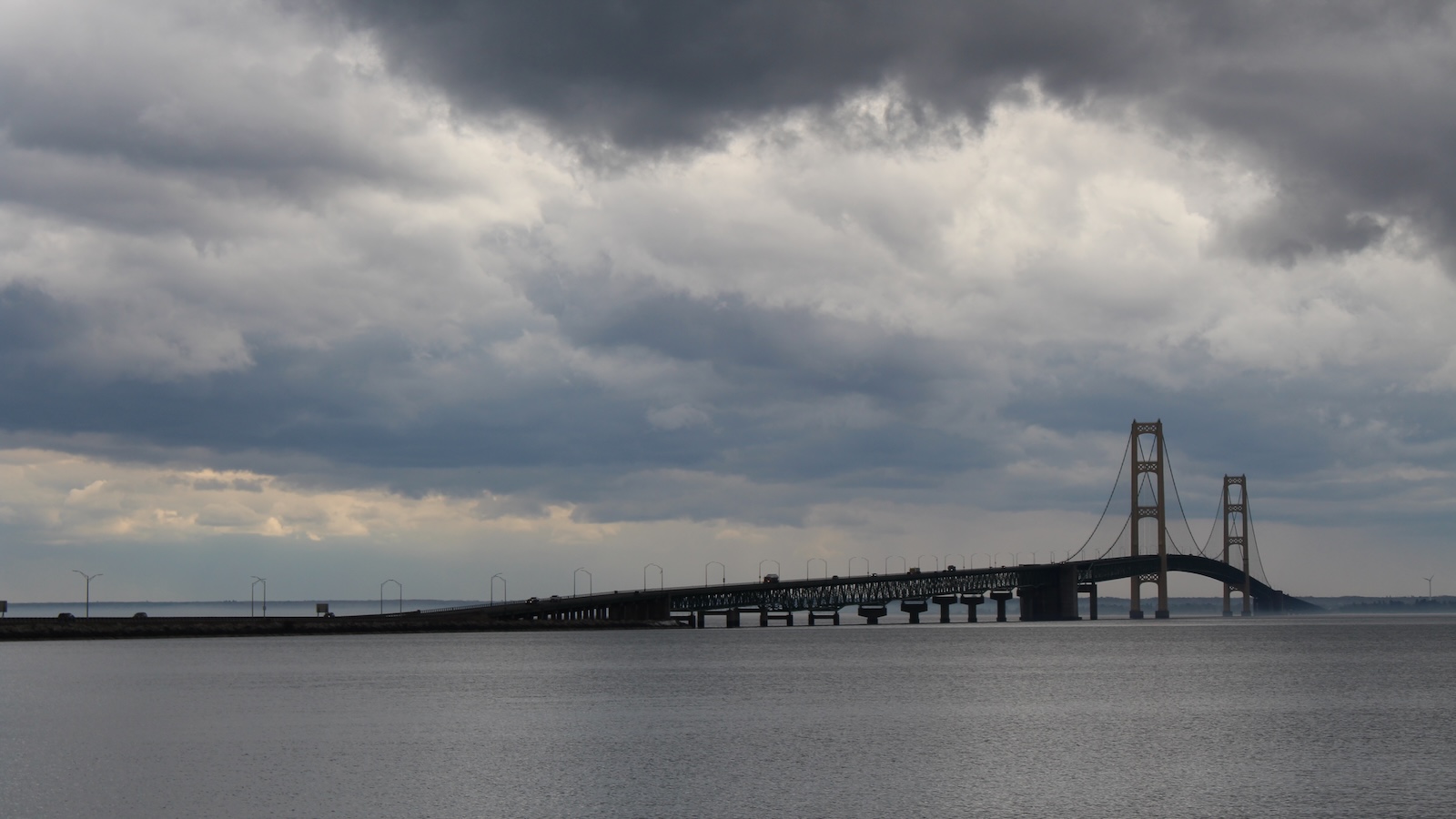
The U.S. Army Corps of Engineers issued a permit allowing Enbridge Energy to proceed with replacing a 4-mile section of the Line 5 pipeline that runs beneath the Straits of Mackinac in Michigan. The project involves burying the aging pipeline segment in a tunnel under the lakebed. The full Line 5 pipeline extends 645 miles from Superior, Wisconsin, through Michigan to Sarnia, Ontario, and carries oil and natural gas liquids. The permit approval was expedited under a presidential executive order declaring a national energy emergency.
Tribal nations and their representatives have strongly objected to the project, citing permanent damage to culturally and spiritually significant lands. The straits hold sacred importance to Anishinaabe peoples, featuring prominently in creation stories and serving as burial grounds for ancestors. Five tribal nations maintain treaty rights to fish and hunt in these waters under the 1836 Treaty of Washington, rights that predate Michigan statehood and are protected under federal law. Austin Lowes, chairman of the Sault Ste. Marie Tribe of Chippewa Indians, criticized the decision as disrespectful and noted that tribal consultation expectations outlined in historical agreements were not met.
According to the Army Corps’ own assessment, tunnel construction would result in permanent adverse impacts on wetlands, vegetation, land use, and cultural resources. However, the agency concluded that benefits of the project, particularly reducing environmental risks such as pipeline ruptures from vessel strikes, outweigh the identified harms. The agency limited its analysis to construction impacts, determining that assessment of oil spill risk and greenhouse gas emissions falls under another federal agency’s jurisdiction. Seven Michigan tribal nations withdrew from permit discussions last year, stating that regulators disregarded tribal expertise and undermined treaty rights.
Despite the federal permit approval, Enbridge cannot begin construction without obtaining all required state permits. Michigan’s Department of Environment, Great Lakes, and Energy is reviewing a wastewater discharge permit, with a decision expected before the end of September. Additionally, the Michigan Supreme Court recently returned a state permit to regulators for more comprehensive environmental review. Legal challenges to the broader Line 5 pipeline operation in the straits remain ongoing, with state and tribal legal representatives exploring options to contest the Army Corps’ decision.
Article Attribution | Read More at Article Source
Article summary produced by Claude AI