

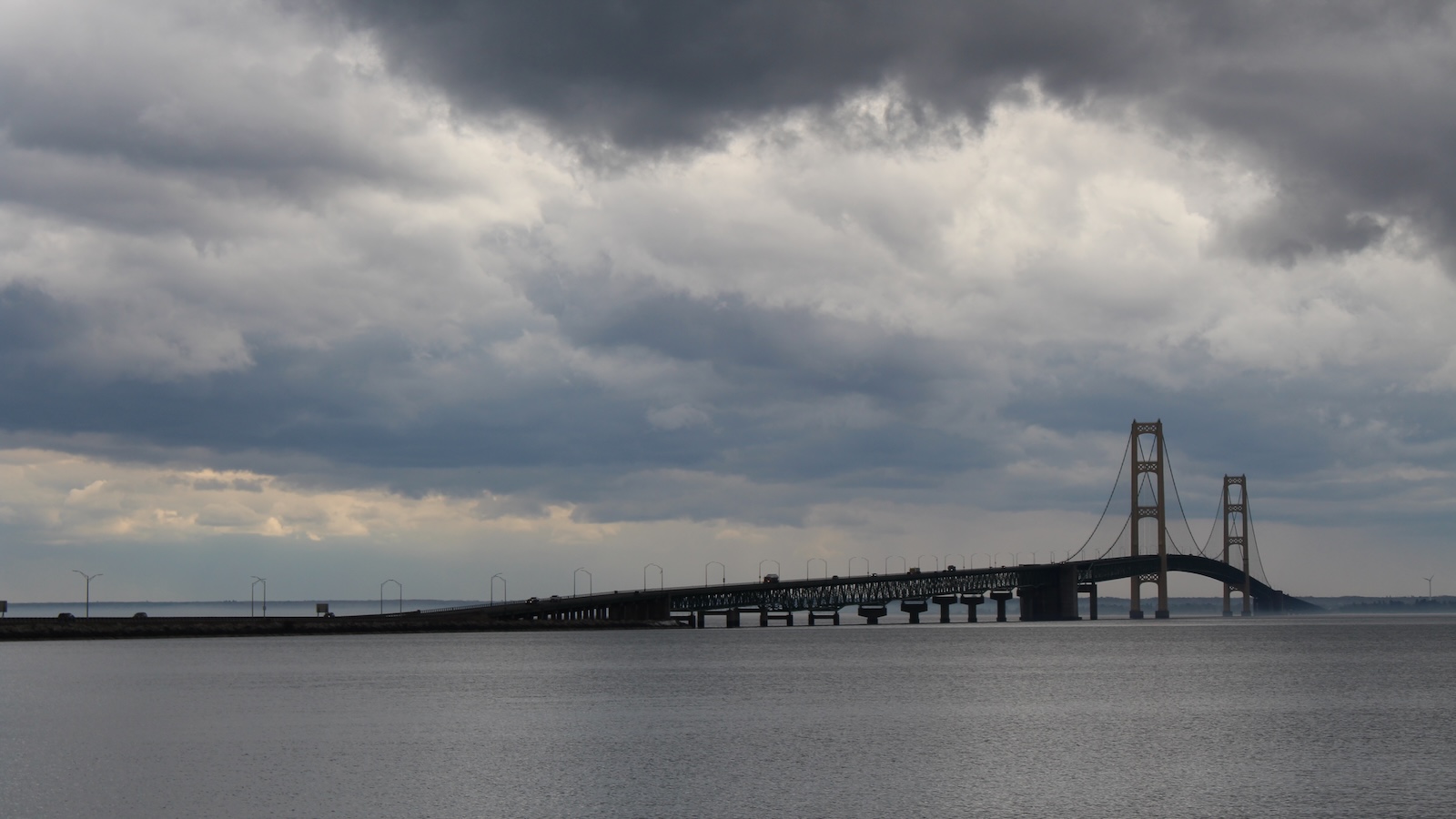
The U.S. Army Corps of Engineers issued a permit authorization for Enbridge Energy to proceed with plans to replace a 4-mile segment of the Line 5 pipeline that crosses the Straits of Mackinac in Michigan. The project involves burying the aging pipeline in a tunnel beneath the lakebed, rather than leaving it exposed on the bottom of the waterway. The pipeline itself stretches 645 miles from Superior, Wisconsin, through Michigan to Sarnia, Ontario, transporting oil and natural gas liquids.
The permit review was expedited under a presidential executive order declaring a national energy emergency. In its decision, the Army Corps stated that the project would not contradict the public interest, would comply with Clean Water Act standards, and would not impermissibly harm tribal treaty rights. However, the agency’s own analysis acknowledged that tunnel construction would cause permanent adverse impacts to wetlands, vegetation, land use, and cultural resources in the area. The Army Corps concluded that benefits from reducing pipeline leak risks—such as those from boat anchor strikes—outweighed the documented detriments.
Michigan tribal nations have long opposed the project, citing the waterway’s sacred significance in their creation stories, its use as burial grounds for ancestors, and their federally protected treaty rights to fish and hunt in the straits under the 1836 Treaty of Washington. Tribal leaders expressed frustration that their input was disregarded despite consultation obligations. Seven Michigan tribal nations withdrew from discussions with the Army Corps last year, citing concerns that regulators ignored tribal expertise and undermined treaty rights. Legal advocates working with the tribes characterized the review as flawed and questioned whether a multiyear construction project constitutes a genuine response to an energy emergency.
Despite federal approval, Enbridge cannot begin construction without additional state permits. Michigan’s Department of Environment, Great Lakes and Energy is reviewing a wastewater discharge permit, with a decision expected before the end of September. Additionally, the Michigan Supreme Court recently returned an approved state permit to regulators for more thorough environmental review. Separate legal challenges to the Line 5 pipeline’s continued operation in the straits remain pending, including appeals from Michigan’s governor’s office. Attorneys representing tribal interests indicated they are exploring legal options to challenge the Army Corps permit.
Article Attribution | Read More at Article Source
Article summary produced by Claude AI