

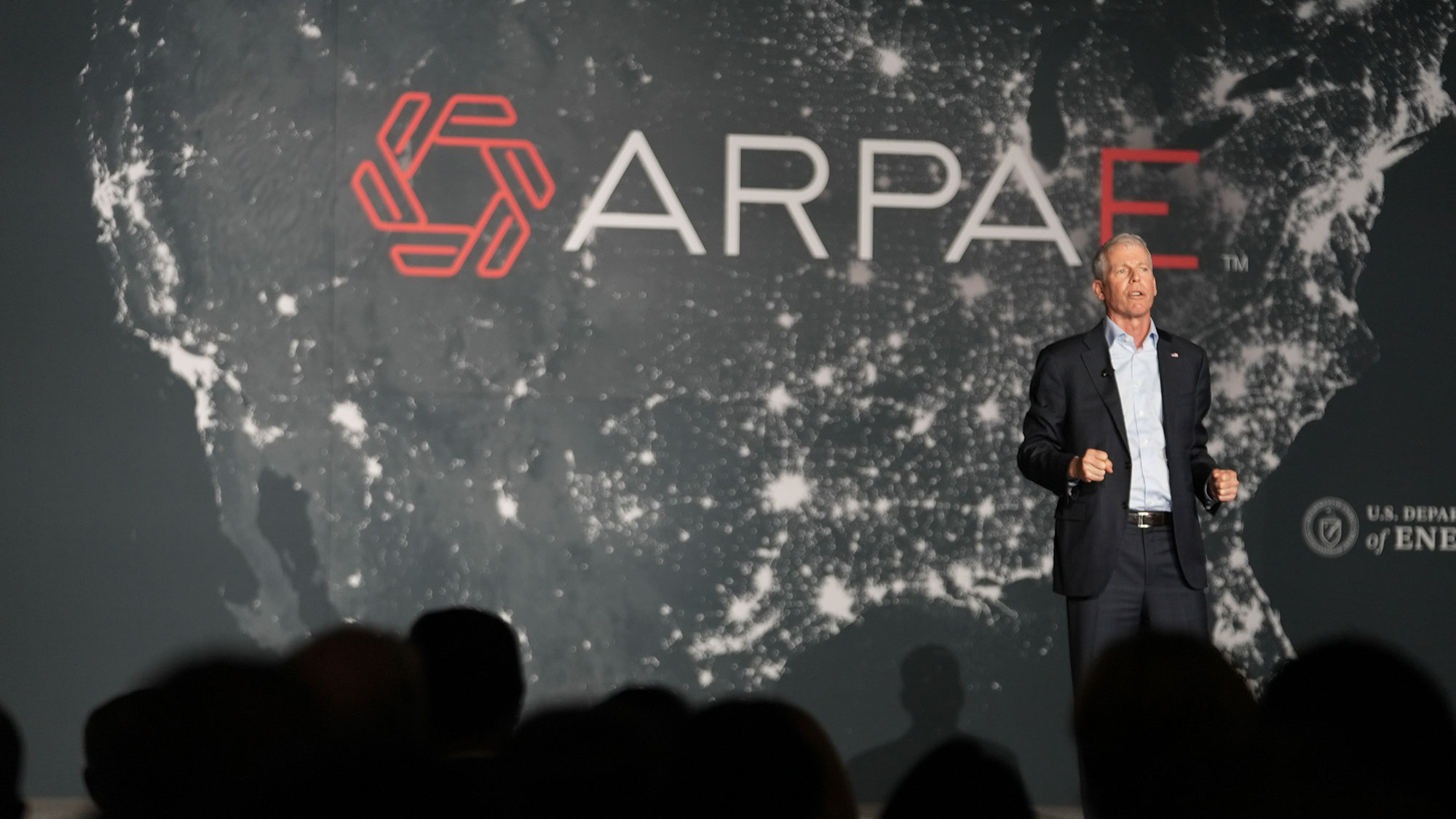
The Advanced Research Projects Agency–Energy, a Department of Energy initiative established in 2009, has emerged as a significant driver of climate technology development in the United States. Over the past 15 years, ARPA-E has distributed more than $4 billion to universities and startups working on innovative clean energy solutions. The program addresses a critical gap in the energy technology development pipeline, where promising research struggles to secure funding for the transition from laboratory experiments to commercially viable businesses.
A recent report from the National Academies of Science, commissioned by Congress and released last week, documents the program’s effectiveness. The analysis found that ARPA-E’s investments generated more than $20 billion in additional funding from other sources and resulted in more than 1,400 patents. Projects that received ARPA-E support demonstrated significantly higher rates of patent generation and subsequent investment compared to rejected proposals. Approximately 40 percent of ARPA-E grants produced a cascading funding effect, whereby successful proof-of-concept by one company attracted additional companies seeking to commercialize similar technologies.
In its early years, ARPA-E focused on technologies like solar panels and lithium-ion batteries, which have since become substantially cheaper due to large-scale manufacturing investments. However, the National Academies report concludes that renewable energy technologies no longer require the same level of targeted government support. Instead, the report recommends that ARPA-E redirect its focus toward more challenging energy problems where solutions remain years or decades away. Recent successes illustrate this transition, including companies developing geothermal power systems, long-duration energy storage batteries, and small-scale nuclear reactors.
The report’s recommendations include significant expansion of ARPA-E’s funding and a strategic pivot toward addressing the hardest remaining climate challenges. Potential priority areas identified include nuclear fusion, seasonal energy storage systems capable of preserving renewable energy through winter months, and carbon-free industrial processes for steel and cement production. These sectors represent substantial global emissions sources and currently lack economically viable alternatives.
The program’s future remains uncertain amid budgetary pressures. The Trump administration’s current budget proposal calls for reducing ARPA-E funding by approximately 50 percent, though the Department of Energy continues distributing grants for experimental technologies in long-duration storage, fusion development, and critical mineral extraction.
Article Attribution | Read More at Article Source
Article summary produced by Claude AI