

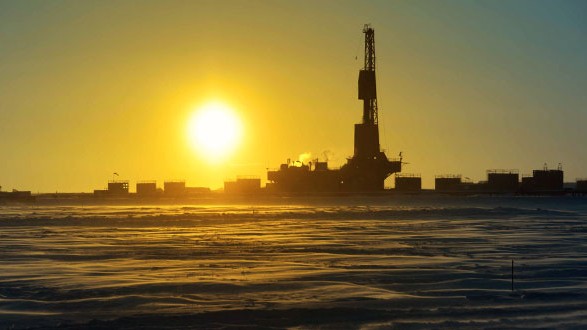
The number of active drilling rigs for oil and natural gas in the United States expanded during the latest reporting period, with Baker Hughes data released on Friday showing a total rig count of 593. This represents a significant increase compared to the equivalent period a year earlier, when the count stood 54 rigs lower.
Breakdown by fuel type showed that oil rigs increased by one to reach 455 during the current reporting cycle, positioning them 43 rigs above year-ago levels. Natural gas rigs climbed by four to 128, which was six rigs above the prior-year comparison. Other miscellaneous rigs remained unchanged at 10. Activity related to well completion also picked up momentum, with Primary Vision’s count of frac spread crews rising by two to 196 crews for the week ending on August 7, after declining by four in the preceding week.
Regional drilling activity showed varied momentum across major production areas. The Permian Basin, a key drilling region, saw an increase of two rigs to reach 265, which represented ten additional rigs relative to the year-ago period. Meanwhile, the Eagle Ford region held steady at 49 rigs, though this level was ten rigs above where it stood at the same point the prior year.
Crude oil production data from the Energy Information Administration indicated a modest rebound during the week ending on August 7. US crude production averaged 13.805 million barrels per day, edging up from 13.804 million barrels per day the prior week and standing 521,000 barrels per day above the year-ago average. Broader market conditions showed strength on Friday, with Brent crude advancing 1.00 percent to $87.94 per barrel, reflecting gains of more than $4 per barrel from the previous week. West Texas Intermediate also moved higher, gaining 0.69 percent to close at $81.81 per barrel.
Article Attribution | Read More at Article Source
Article summary produced by Claude AI