

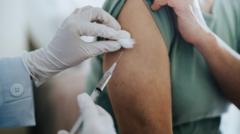
Pharmaceutical companies Merck and Moderna announced promising early results from a clinical trial testing a new personalised vaccine designed to prevent melanoma recurrence. The vaccine, called Intismeran, was administered to patients with high-risk melanoma following surgical removal of tumours. When combined with Keytruda, an existing immunotherapy drug, the treatment demonstrated significant improvements in extending the duration patients remained free of cancer and reduced the likelihood of disease spreading to other organs.
The phase three trial encompassed more than 1,000 patients diagnosed with high-risk stage two, three or four melanoma, representing a range of disease severity from large localised tumours to cancers that had already metastasised. The vaccine employs messenger RNA technology, similar to certain Covid-19 vaccines, to target specific mutations present in individual patients’ cancer cells. Researchers sequenced tumour DNA obtained during surgery to create a customised immunological response that trains the immune system to identify and eliminate remaining cancerous cells.
While cancer specialists have characterised the findings as encouraging, they emphasise the preliminary nature of the data and highlight that full results remain subject to peer review by independent experts. The treatment pathway toward widespread availability extends beyond trial completion, requiring approval from regulatory authorities and additional authorisation processes before NHS introduction. Prof Peter Johnson, National Clinical Director for Cancer at NHS England, described the development as significant, noting that the approach differs from previous cancer immunotherapies by specifically directing immune responses rather than broadly activating immune function.
The companies are currently investigating similar personalised vaccine approaches for lung, bladder and kidney cancers. Detailed study results are scheduled for presentation at a medical conference in October. Both Moderna and Merck share prices increased substantially following the announcement, while cancer research organisations urged continued funding for personalised treatment development.
Article Attribution | Read More at Article Source
Article summary produced by Claude AI