

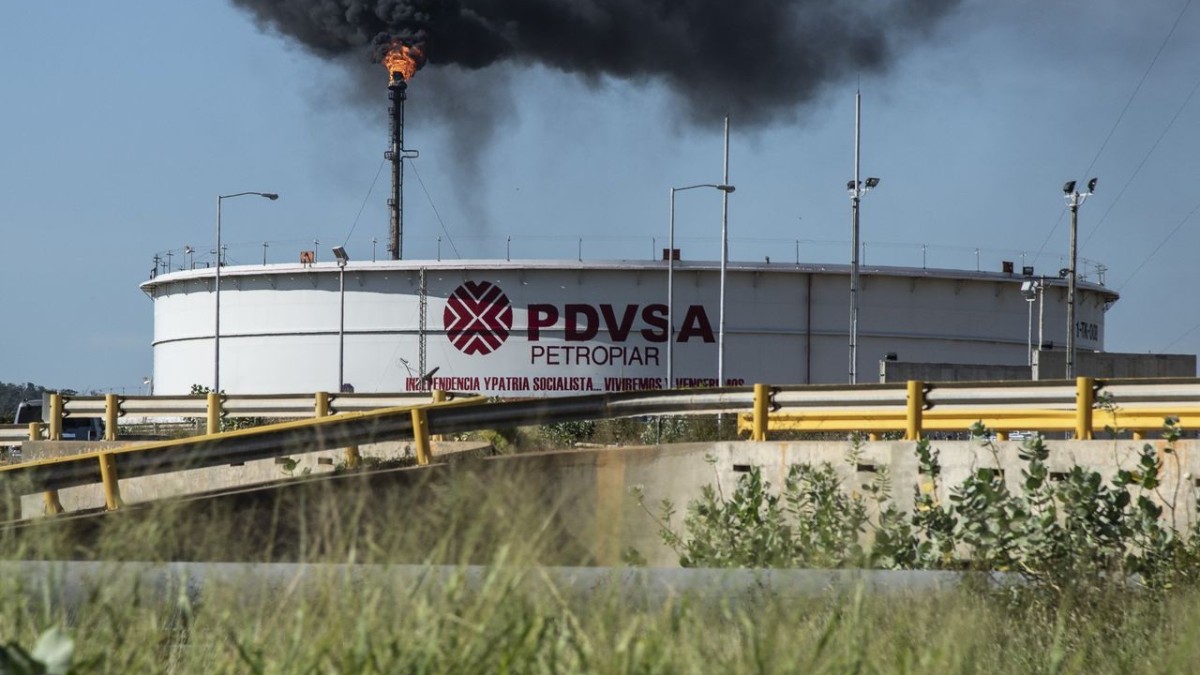
Venezuela’s oil sector is experiencing renewed investment from international energy companies following political developments in January. The country possesses the world’s largest proven crude reserves at approximately 303 billion barrels, primarily composed of extra-heavy crude from the Orinoco Belt that, while technically challenging to process, can be cost-effective to extract and refine.
Chevron has substantially increased its Venezuelan operations, raising production from 40,000 barrels per day to 250,000 barrels per day in recent years. The company’s current output across its three joint ventures reached 280,000 barrels per day in the most recent reporting period, reflecting a 12% year-on-year increase over six months. Following an asset-swap agreement concluded in mid-April, Chevron expanded its stake in the Petroindependencia joint venture to 49%. The firm projects a 50% production increase by the end of 2028, potentially reaching 420,000 barrels per day across its Venezuelan operations.
Nationwide, Venezuelan crude production climbed to 1.21 million barrels per day in July, representing a 20,000 barrel daily increase, with nearly all output currently being exported. This contrasts with 2025 average production of 847,000 barrels per day and historical peak output exceeding 3 million barrels per day in the early 2000s. Beyond Chevron, Spain’s Repsol is pursuing major expansion plans, targeting a tripling of its Venezuelan production within two to three years from its current 45,000 barrels per day. The Spanish firm recently amended its operational scope and signed agreements to develop additional fields and onshore areas.
Natural gas projects are advancing in parallel with oil expansion efforts. BP established a permanent Caracas office and secured a license for the offshore Loran Phase 2 gas field, which contains an estimated 4 trillion cubic feet of recoverable gas. The British company will pipe extracted gas to Trinidad for liquefaction and export. Repsol and Italy’s Eni finalized a joint arrangement for expansion of the Cardón IV asset in the Perla field.
Investment expansion faces headwinds from Venezuela’s tax structure, which imposes a 30% baseline royalty on gross revenue, a 50% corporate income tax rate, and a mandatory alternative minimum tax. A 2026 Hydrocarbon Law Reform proposed replacing these levies with a single Integrated Hydrocarbons Tax capped at 15% of gross revenue.
Article Attribution | Read More at Article Source
Article summary produced by Claude AI