

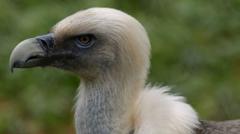
Vulture populations across West Africa face severe decline, with conservationists warning that hunting connected to traditional spiritual practices and beliefs threatens multiple species toward near extinction. The disappearance of these birds carries significant ecological consequences, as vultures provide essential ecosystem services by rapidly consuming dead animals and preventing the spread of dangerous diseases through their powerful stomach acids. Without vultures, experts caution that regions lose a natural defense system against zoonotic diseases such as anthrax and rabies.
In Awka-Etiti, a town in south-eastern Nigeria, residents are reversing this trend by protecting vultures within a sacred forest surrounding a shrine dedicated to a traditional deity. The community, largely Christian but observant of certain traditional practices, has historically coexisted peacefully with vultures, which are considered positive omens in local spiritual traditions. Local resident Chukwuemeka Igwe, known as the Vulture King, has led a six-year volunteer initiative working with the Nigeria Conservation Foundation to mobilize community leaders, local groups, and security teams against outside hunters. These efforts have resulted in vulture populations rebounding from approximately 20 birds recorded in 2017 to over 160 currently.
The broader vulture crisis stems from multiple factors including habitat loss from rapid urbanization, poisoning accounting for roughly 60 percent of vulture deaths in Africa, and the illegal trade of vultures and their body parts for traditional medicine and spiritual practices. Prices for dead vultures have surged from approximately 25,000 to 30,000 naira to as much as 200,000 naira per bird. Targeting of eggs and nests poses particular threats to these slow-breeding species, which reach sexual maturity between five and seven years and produce only one chick annually or biennially.
Across Africa, vulture populations have declined between 80 and 97 percent over the past 50 years, with seven species now classified as globally Endangered or Critically Endangered. Researchers from across the region are scheduled to meet later this year in Abuja to review the West African Vulture Conservation Action Plan, originally drafted in 2022. Nigerian Customs officials acknowledge that enforcement of wildlife protection laws must be complemented by community education and understanding of conservation importance. Conservationists point to Awka-Etiti as a model demonstrating the effectiveness of community-led conservation efforts in reversing population declines.
Article Attribution | Read More at Article Source
Article summary produced by Claude AI