

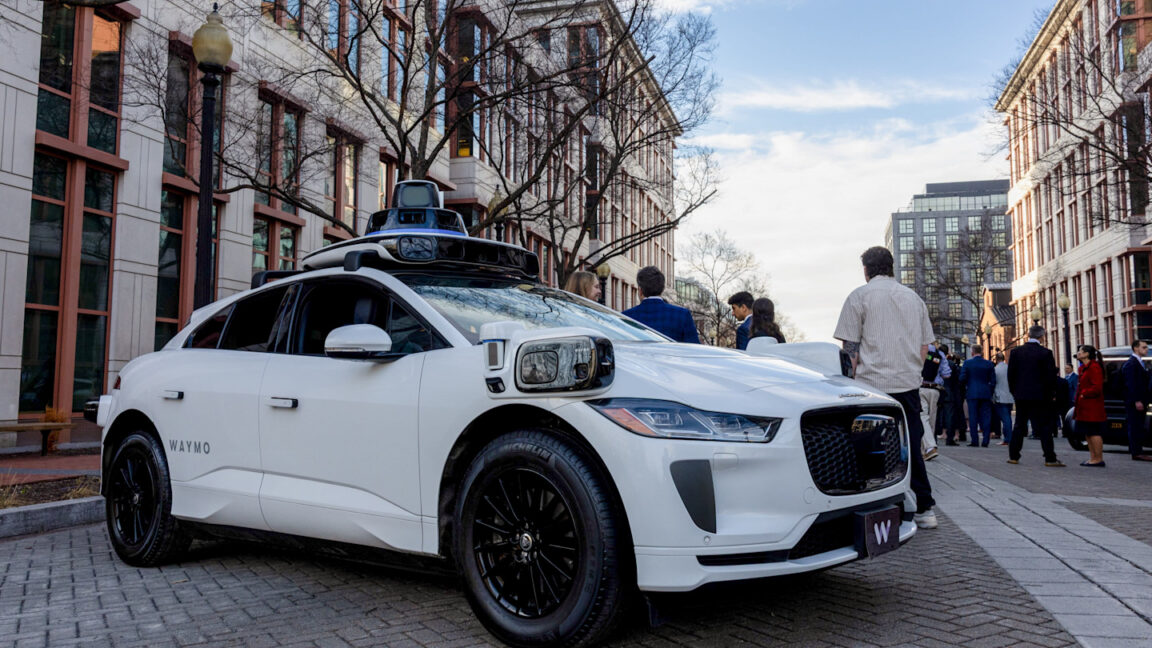
Waymo, the autonomous vehicle unit of Alphabet, has significantly escalated its lobbying efforts as it seeks regulatory approval for fully driverless commercial taxi services. Between April and June, the company spent more than $1 million on federal lobbying, representing a more than doubling of expenditure compared to the same period a year earlier. This positions Waymo’s spending close to that of rival Uber and substantially ahead of other competitors including Amazon’s Zoox division and Tesla.
The companies are pursuing divergent strategies regarding the future of robotaxi deployment. Waymo advocates for a rapid transition to fully autonomous operations, while Uber proposes a gradual approach incorporating both autonomous and human-driven vehicles during the transition period. These conflicting positions have contributed to deteriorating relations between the partners, with reports indicating Waymo has considered dissolving its partnership with Uber in certain markets such as Austin and Atlanta.
Both companies have intensified lobbying in multiple U.S. states and Washington, DC, following setbacks in expanding to major markets including New York and Chicago, where labor groups and elected officials have raised concerns about potential driver displacement and impacts on existing transportation services. Waymo has engaged multiple lobbying firms, including hiring Greenberg Traurig in May to represent its interests. The company has specifically called for a federal regulatory framework to expedite robotaxi rollouts and has committed to establishing a $20 million support fund for affected drivers in certain jurisdictions.
Waymo’s state-level lobbying has been particularly aggressive in New York, where it has spent more than half a million dollars this year, exceeding Uber’s state-level expenditure by more than double. The intensified effort follows Governor Kathy Hochul’s earlier scaling back of proposed autonomous vehicle deployment permissions. Meanwhile, Uber has committed over $10 billion through equity investments and fleet agreements after discontinuing its internal self-driving program in 2020, advocating for hybrid network models requiring human drivers for the majority of rides during pilot programs.
Article Attribution | Read More at Article Source
Article summary produced by Claude AI