

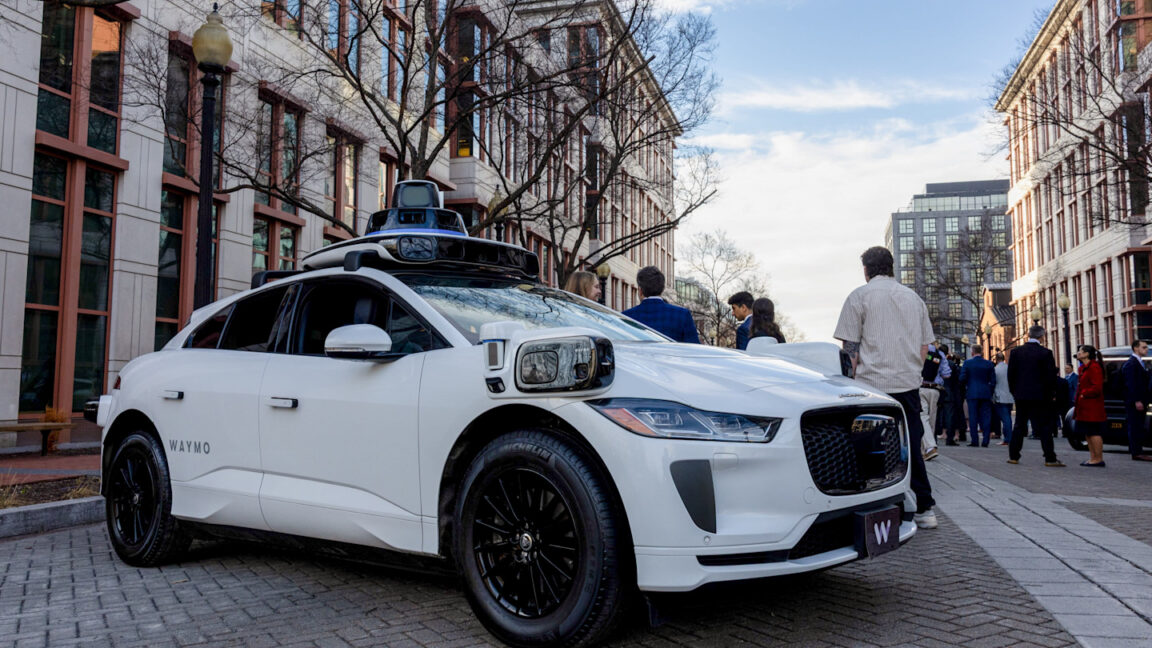
Waymo, the autonomous vehicle division of Alphabet, has significantly escalated its regulatory lobbying efforts as it seeks to establish a framework for fully driverless commercial taxi services in the United States. The company spent more than $1 million on federal lobbying between April and June, representing a more than twofold increase from the same period a year prior. Over the first six months of this year, Waymo’s total lobbying expenditure reached slightly more than $2 million, marking a 93 percent increase compared to the same timeframe in the previous year.
The surge in lobbying activity reflects intensifying competition between Waymo and Uber, which are pursuing fundamentally different strategies for autonomous vehicle deployment. Waymo is advocating for rapid advancement toward fully autonomous commercial services, while Uber supports a gradual approach in which robotaxis operate concurrently with human drivers. This strategic divergence has contributed to deterioration in their business relationship, with reports indicating that Waymo is evaluating options to withdraw from partnerships with Uber in Austin and Atlanta.
Both companies are concentrating substantial resources on lobbying efforts across multiple states and in Washington, DC, following regulatory obstacles that have prevented their expansion into major markets including New York and Chicago. Labor groups and political leaders have raised concerns about potential driver displacement and disruption to existing transportation services. In New York state alone, Waymo has invested over half a million dollars in lobbying this year, more than double Uber’s spending in that market. The company also increased its advocacy efforts in the District of Columbia and engaged with New Jersey legislators regarding a proposed three-year pilot program.
Waymo has supplemented its lobbying campaigns with other initiatives, including offering a $20 million fund to support drivers impacted by autonomous vehicle technology deployment. The company has also commissioned residents to submit communications in support of robotaxi services in the nation’s capital. Waymo stated that its advocacy focuses on advancing autonomous vehicle rollout without pursuing measures designed to limit competitors.
Uber, facing pressure after abandoning its own autonomous vehicle development in 2020, has invested more than $10 billion through acquisitions and partnerships. The company has urged Democratic-led states to adopt a cautious approach and has proposed hybrid network models requiring human drivers to handle at least 85 percent of rides during pilot programs. According to regulatory filings and statements from industry analysts, both companies appear likely to continue their competing lobbying campaigns across key markets.
Article Attribution | Read More at Article Source
Article summary produced by Claude AI