

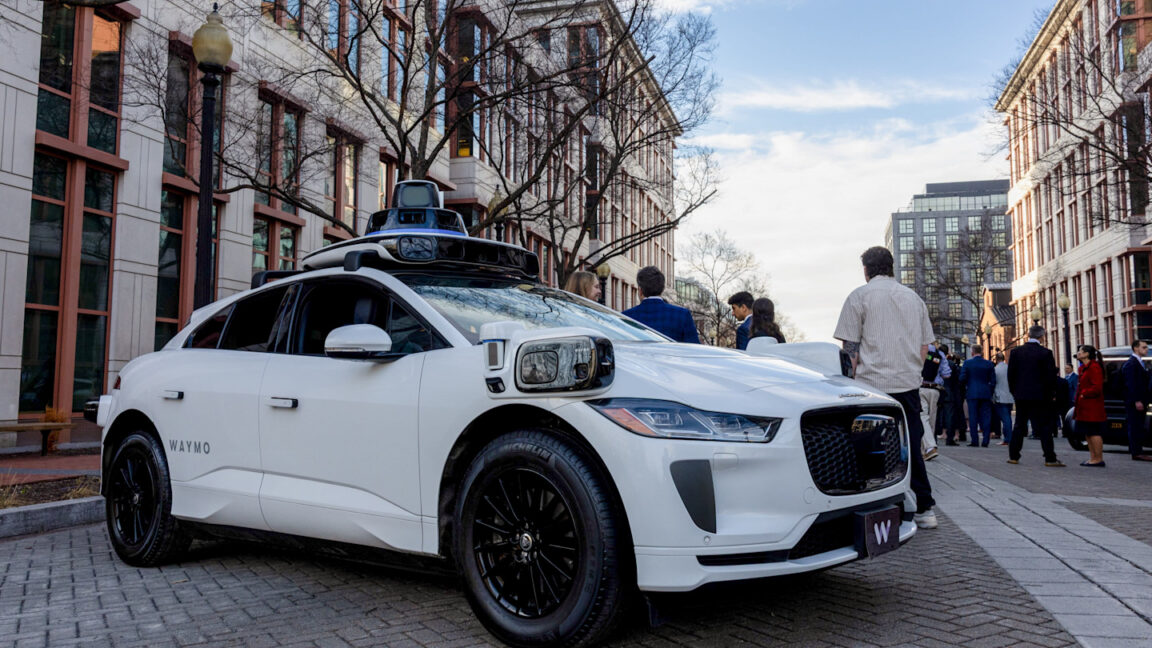
Waymo, owned by Alphabet, significantly increased its federal lobbying expenditures during the first half of 2026, spending more than $1 million between April and June alone. This represented more than double the company’s spending from the comparable period in the previous year, bringing its total first-half spending to slightly above $2 million and positioning it near rival Uber’s lobbying investment while outpacing competitors such as Amazon’s Zoox and Tesla.
The escalation in regulatory outreach reflects fundamental disagreements between the two companies regarding the optimal path forward for ride-hailing services. Waymo is advocating for rapid approval of fully autonomous commercial taxi operations, whereas Uber is promoting a gradual approach involving both driverless and human-operated vehicles coexisting within the same network. These conflicting strategies have strained the business relationship between the companies, with reports indicating that Waymo has considered dissolving its operational partnerships with Uber in certain markets.
Expansion efforts in major metropolitan areas have faced substantial regulatory obstacles, with politicians and labor organizations expressing concerns about potential driver displacement and market disruption. Both companies have consequently intensified state and federal lobbying campaigns, particularly in New York and Washington, DC. Waymo hired additional representation in May and has spent over $500,000 in New York state alone this year while also proposing a $20 million driver support fund and engaging with New Jersey lawmakers regarding pilot program proposals.
Uber has invested heavily in autonomous vehicle infrastructure through equity and fleet agreements totaling more than $10 billion over the past year after discontinuing its own self-driving research in 2020. The company has advocated for hybrid network models requiring that any robotaxi platform maintain human drivers for at least 85 percent of rides during initial pilot periods. Both companies have disputed characterizations of their regulatory positions, with Waymo stating it opposes competitor-limiting measures and Uber denying accusations of seeking to obstruct autonomous vehicle deployment.
Article Attribution | Read More at Article Source
Article summary produced by Claude AI